

Plants of The Ditch
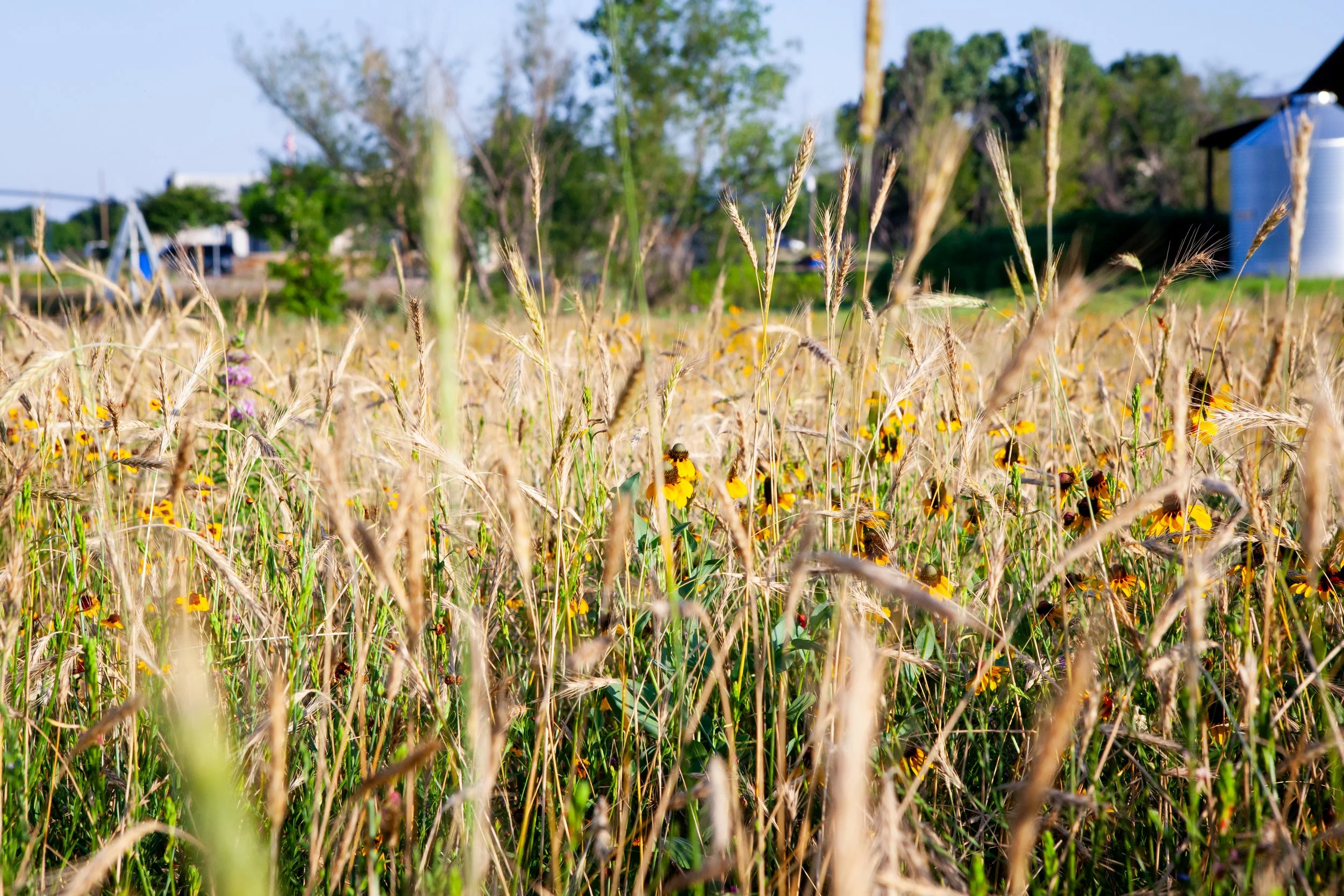
Select a plant from the list below to learn more about it
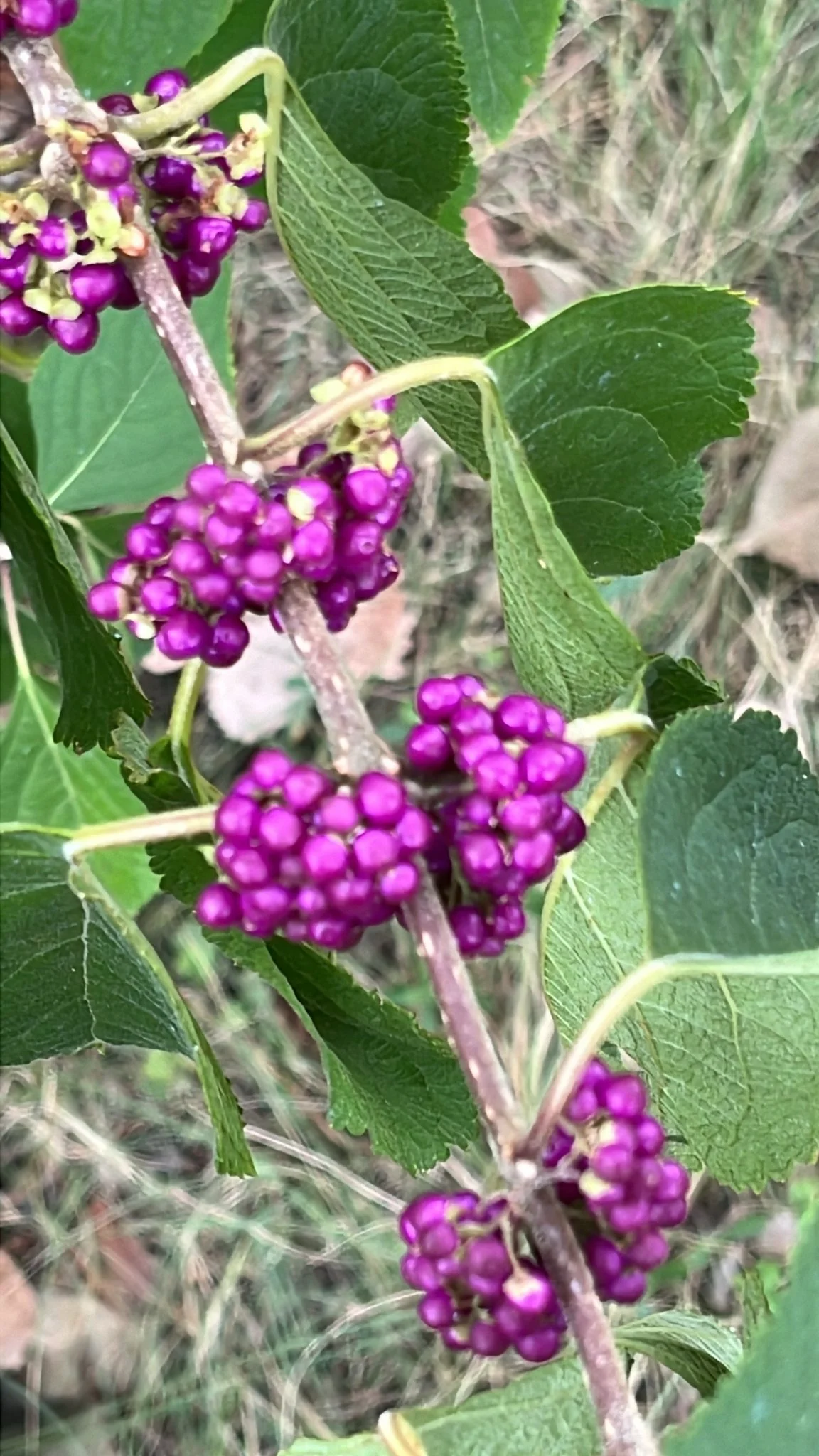
American Beautyberry
Callicarpa americana
About This Plant
American beautyberry is a native shrub known for its bright purple berry clusters that form along its stems.
Why It Matters
The berries provide an important food source for birds and other wildlife.
Where You’ll Find It at The Ditch
Grows in partially shaded areas.
Fun Fact
The berries are edible but have a mild flavor and are often used in jellies.
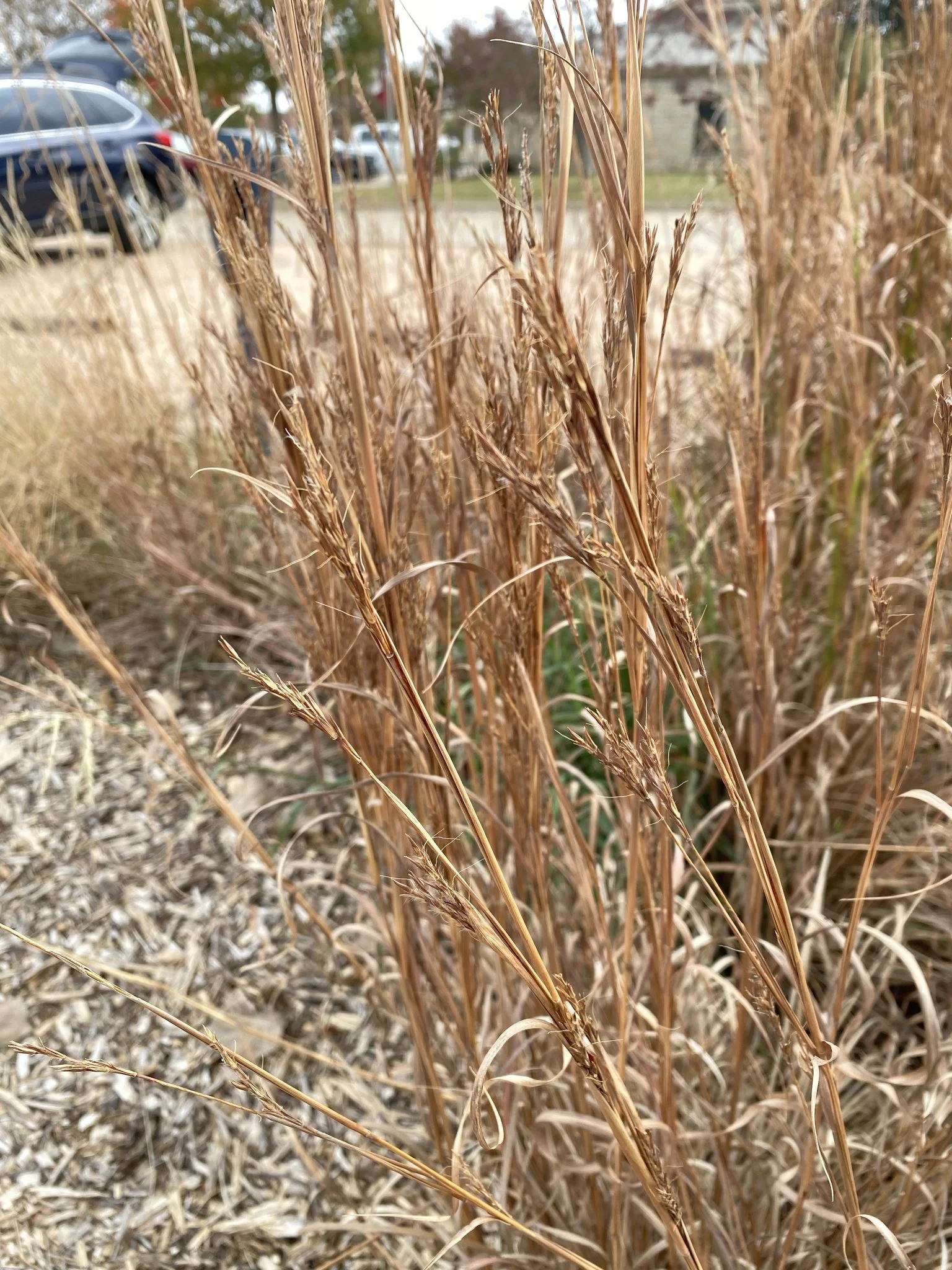
Big Bluestem
Andropogon gerardii
About This Plant
Big bluestem is a tall native grass often called the “king of the prairie.”
Why It Matters
It provides critical habitat and is a cornerstone of prairie ecosystems.
Where You’ll Find It at The Ditch
Found in open, sunny areas.
Fun Fact
Its seed head resembles a turkey foot.
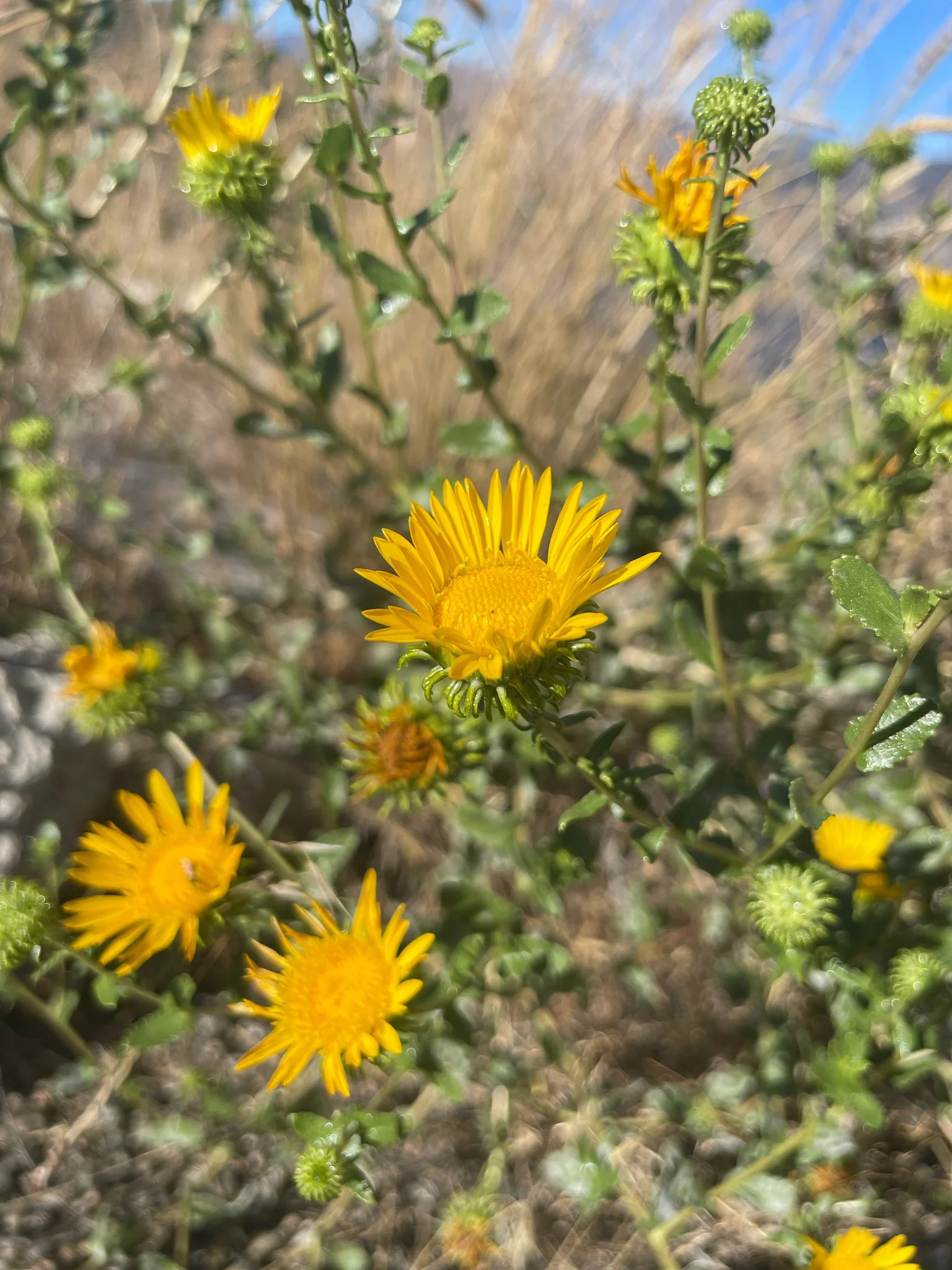
Curlycup Gumweed
Grindelia squarrosa
About This Plant
Curlycup gumweed is a native plant with bright yellow flowers and sticky, resin-coated buds.
Why It Matters
It provides nectar for pollinators and tolerates tough growing conditions.
Where You’ll Find It at The Ditch
Common in disturbed or dry areas.
Fun Fact
The sticky resin was historically used for medicinal purposes.
Frostweed
Verbesina virginica
About This Plant
Frostweed is a tall native perennial with small white flowers that bloom in late summer and fall.
Why It Matters
It provides late-season nectar for pollinators when few other plants are blooming.
Where You’ll Find It at The Ditch
Found in woodland edges and shaded areas.
Fun Fact
In cold weather, the plant can form ribbon-like ice crystals at its base, giving it its name.
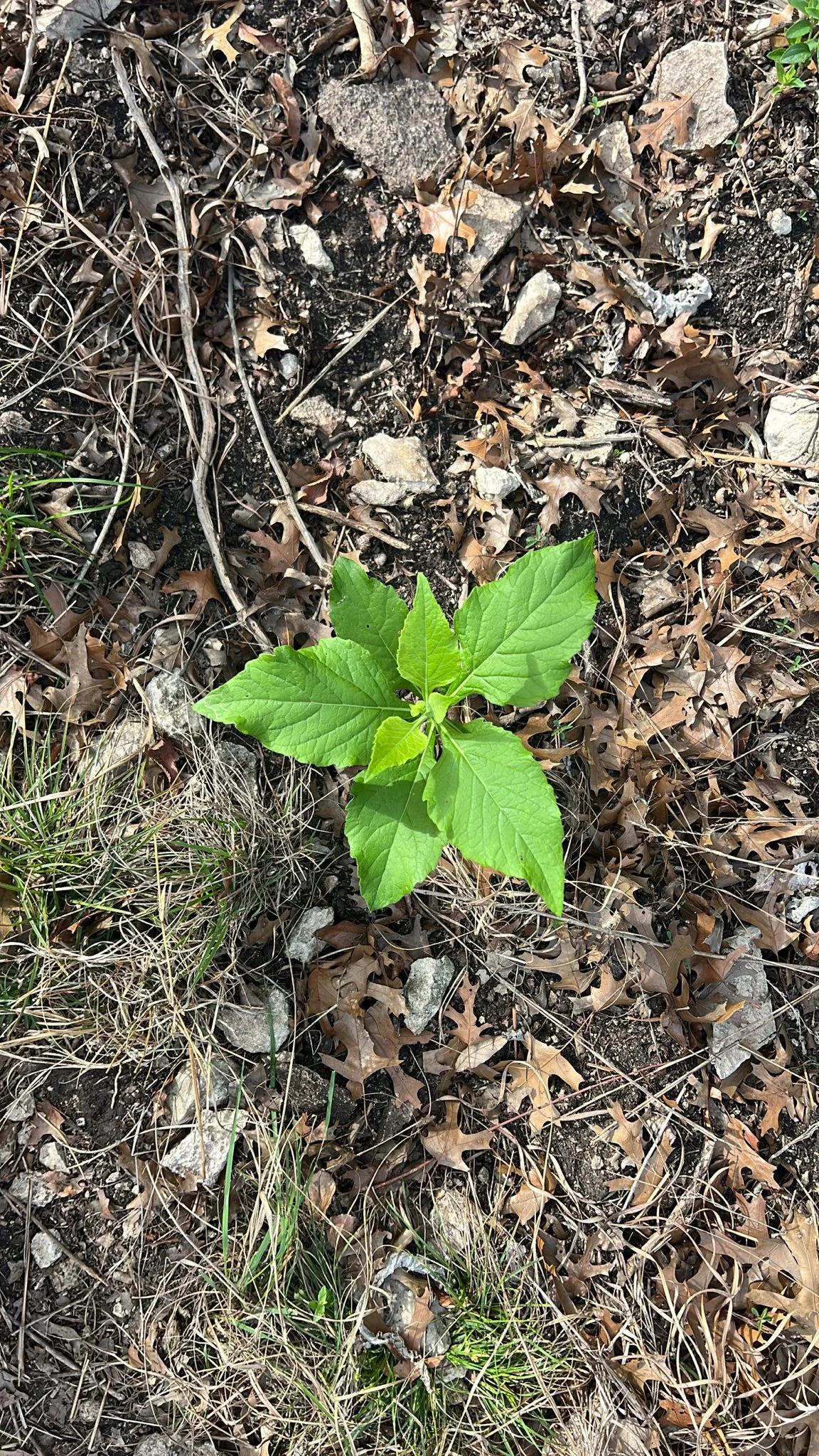
Golden Prairie Clover
Dalea aurea
About This Plant
Golden prairie clover is a native wildflower with bright yellow blooms arranged in cone-shaped clusters.
Why It Matters
As a legume, it helps improve soil fertility and supports pollinators.
Where You’ll Find It at The Ditch
Thrives in sunny, open prairie areas.
Fun Fact
Prairie clovers are known for their drought tolerance.
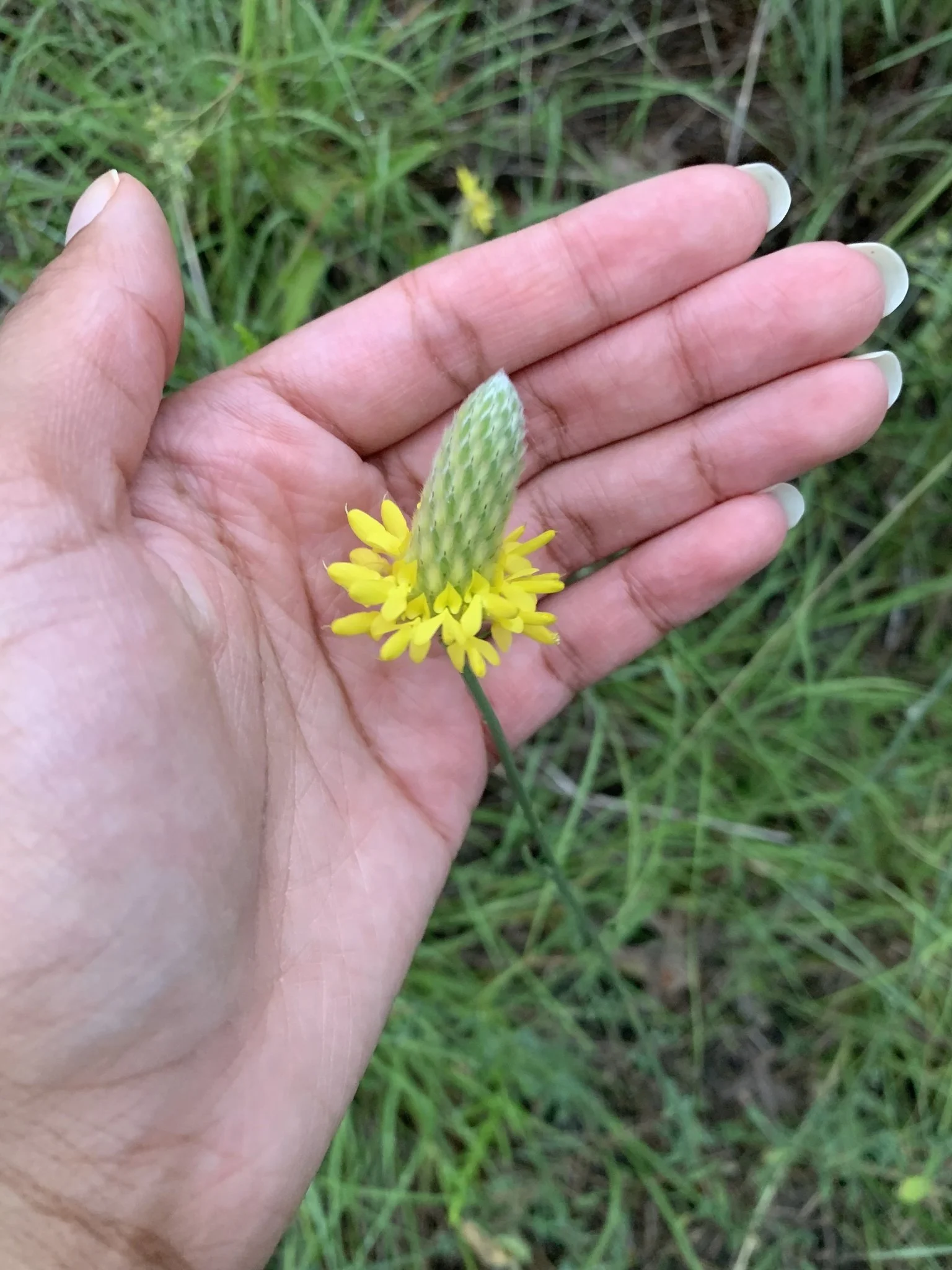
Green Sprangletop
Leptochloa dubia
About This Plant
Green sprangletop is a native grass with open, branching seed heads.
Why It Matters
It provides forage and supports grassland ecosystems.
Where You’ll Find It at The Ditch
Grows in sunny, well-drained soils.
Fun Fact
It is often used in rangeland restoration.
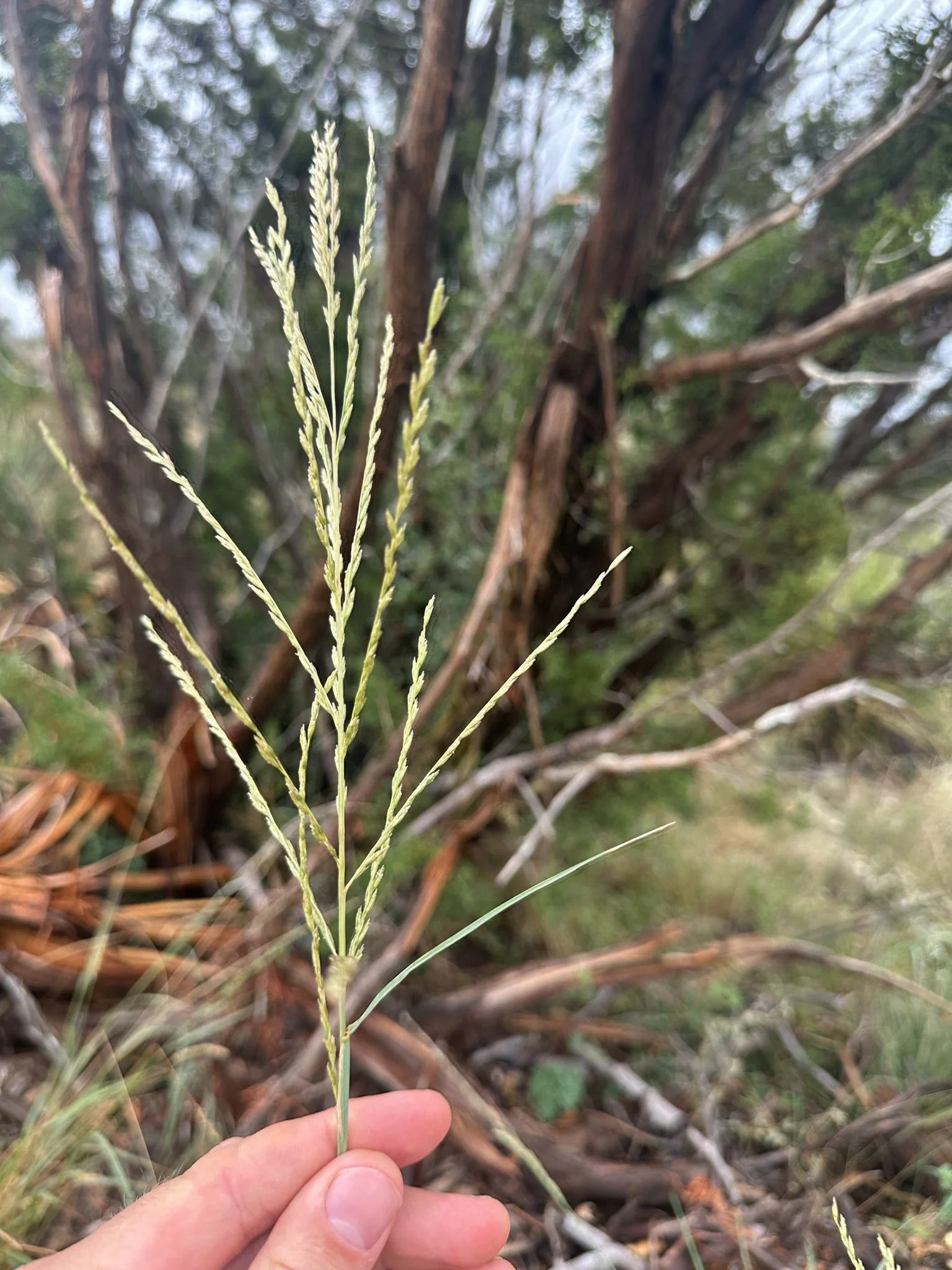
Hairy Grama
Bouteloua hirsuta
About This Plant
Hairy grama is a native grass with fine leaves and distinctive seed heads.
Why It Matters
It provides forage and helps prevent soil erosion.
Where You’ll Find It at The Ditch
Found in dry, open areas.
Fun Fact
It is well adapted to drought conditions.
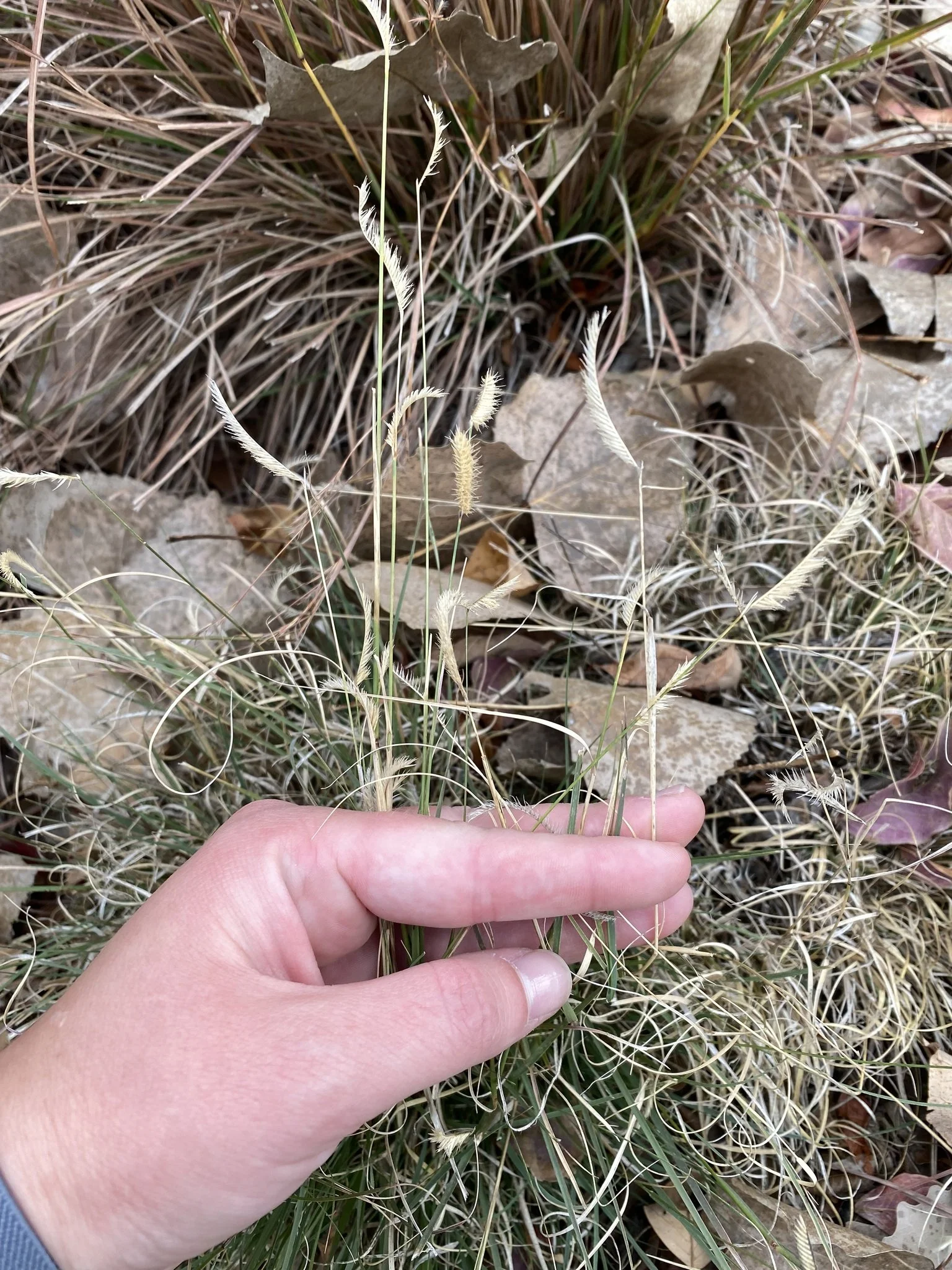
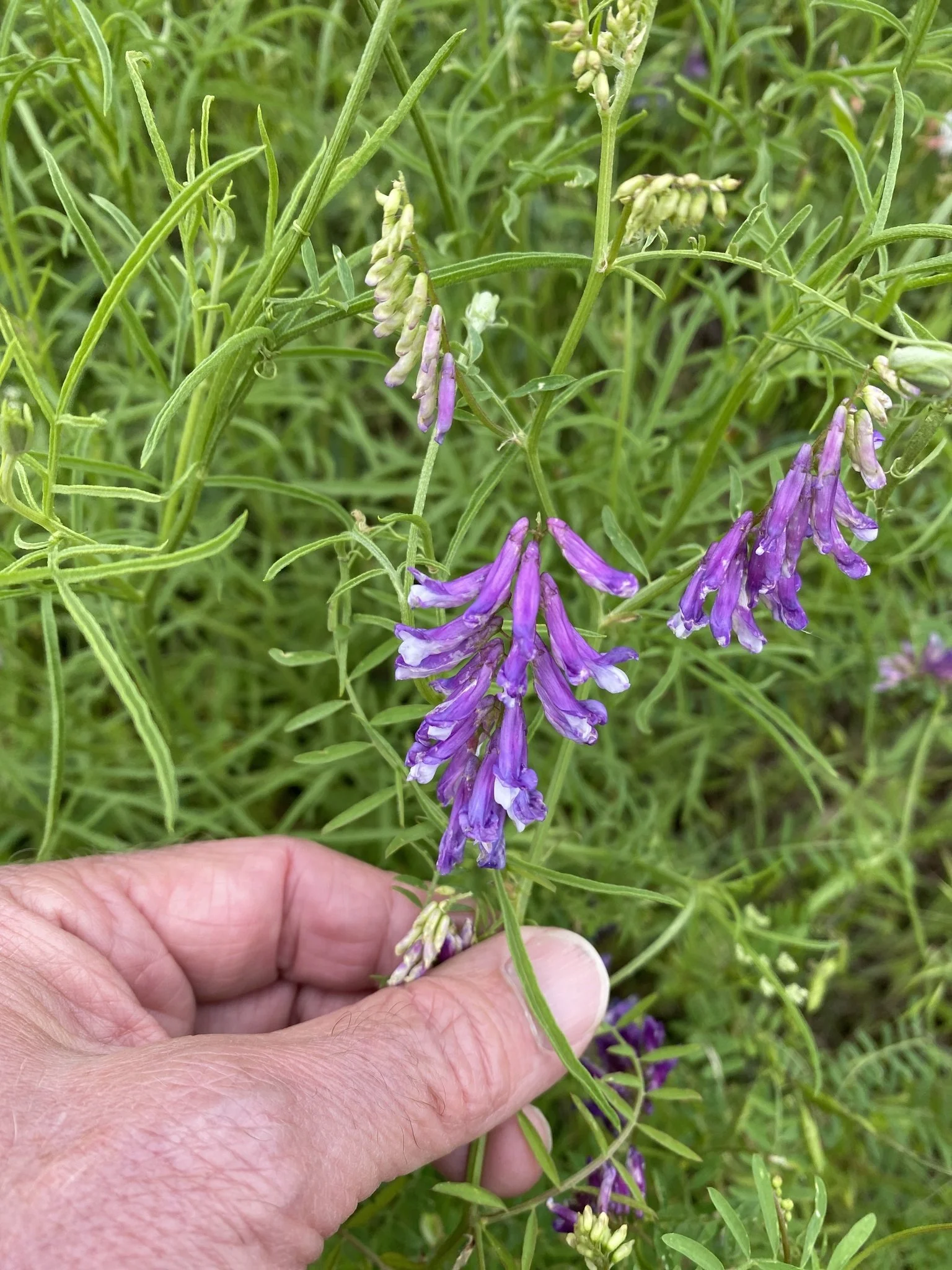
Hairy Vetch
Vicia villosa
About This Plant
Hairy vetch is a vining plant with purple flowers and fine hairs along its stems.
Why It Matters
It fixes nitrogen in the soil and is often used as a cover crop.
Where You’ll Find It at The Ditch
Found in open or disturbed areas.
Fun Fact
It is commonly planted to improve soil health.
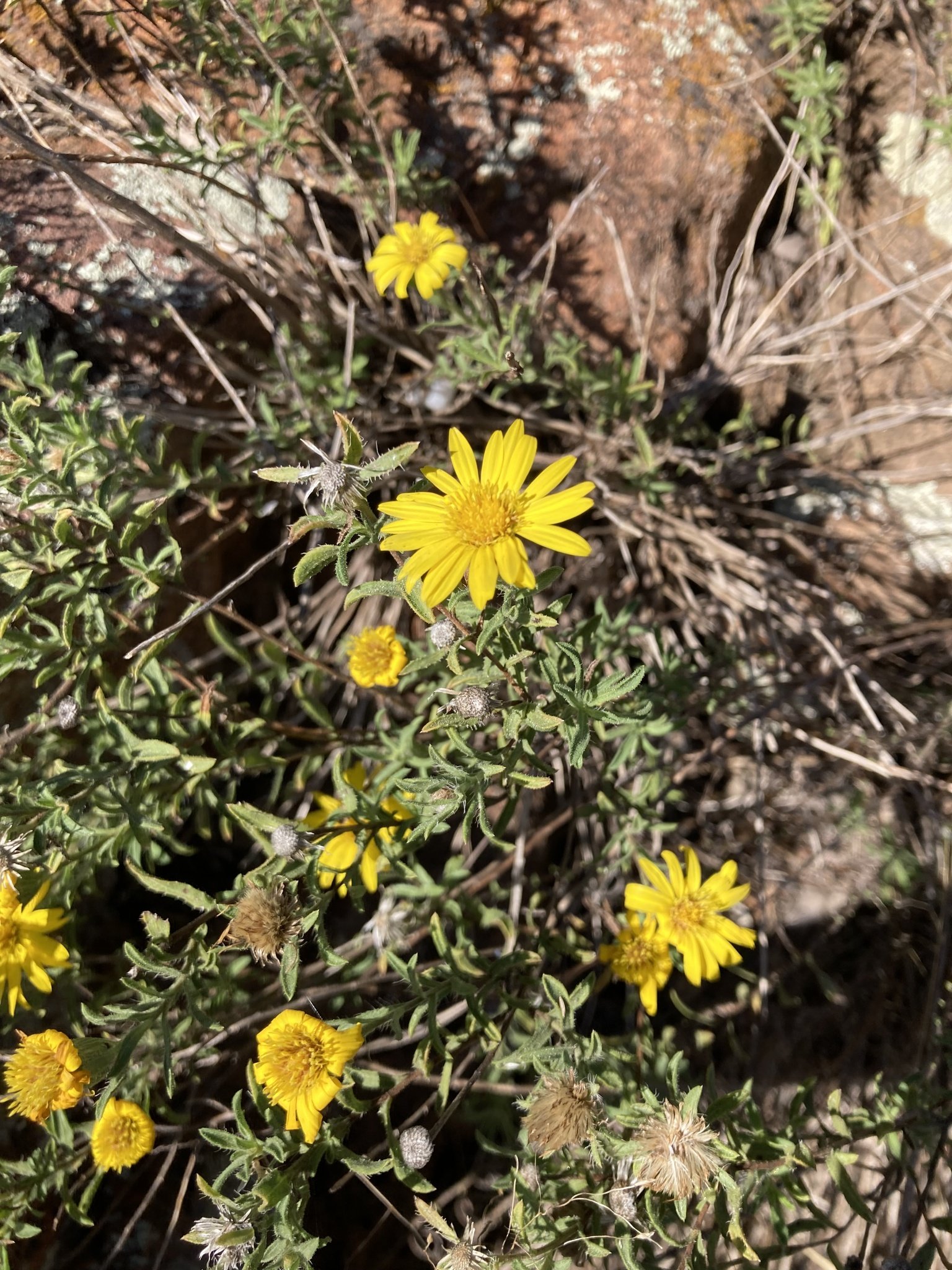
Hoary False Goldenaster
Heterotheca canescens
About This Plant
This low-growing native plant has silvery, fuzzy leaves and bright yellow daisy-like flowers.
Why It Matters
It provides nectar for pollinators and thrives in dry conditions.
Where You’ll Find It at The Ditch
Found in sunny, well-drained soils.
Fun Fact
Its silvery appearance helps reflect sunlight and conserve water.
About This Plant
This native grass has distinctive seed heads that resemble small windmills.
Why It Matters
It provides forage and is adapted to dry environments.
Where You’ll Find It at The Ditch
Found in sunny, open areas.
Fun Fact
Its unique seed heads make it easy to identify.
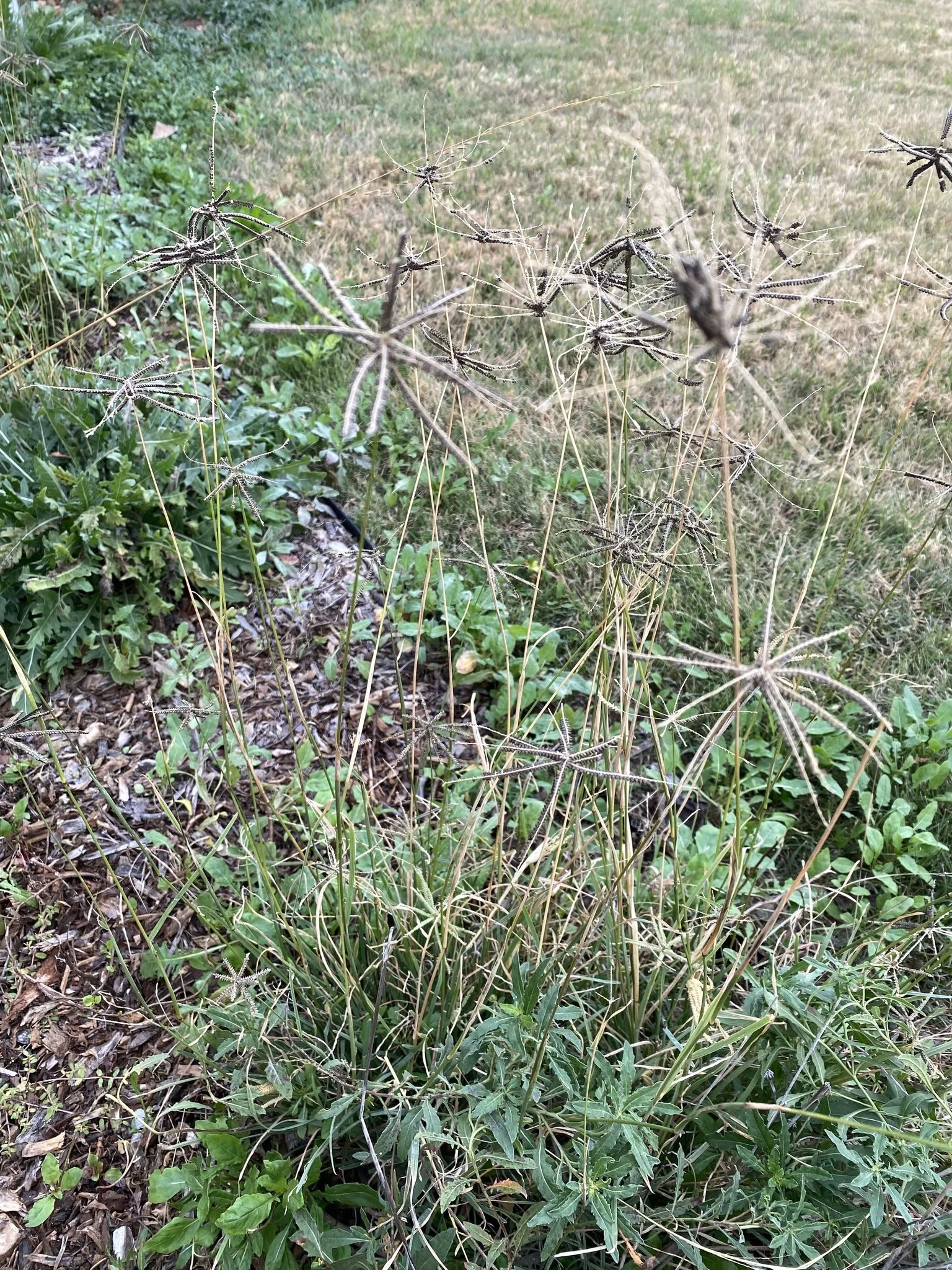
Hooded Windmill Grass
Chloris cucullata
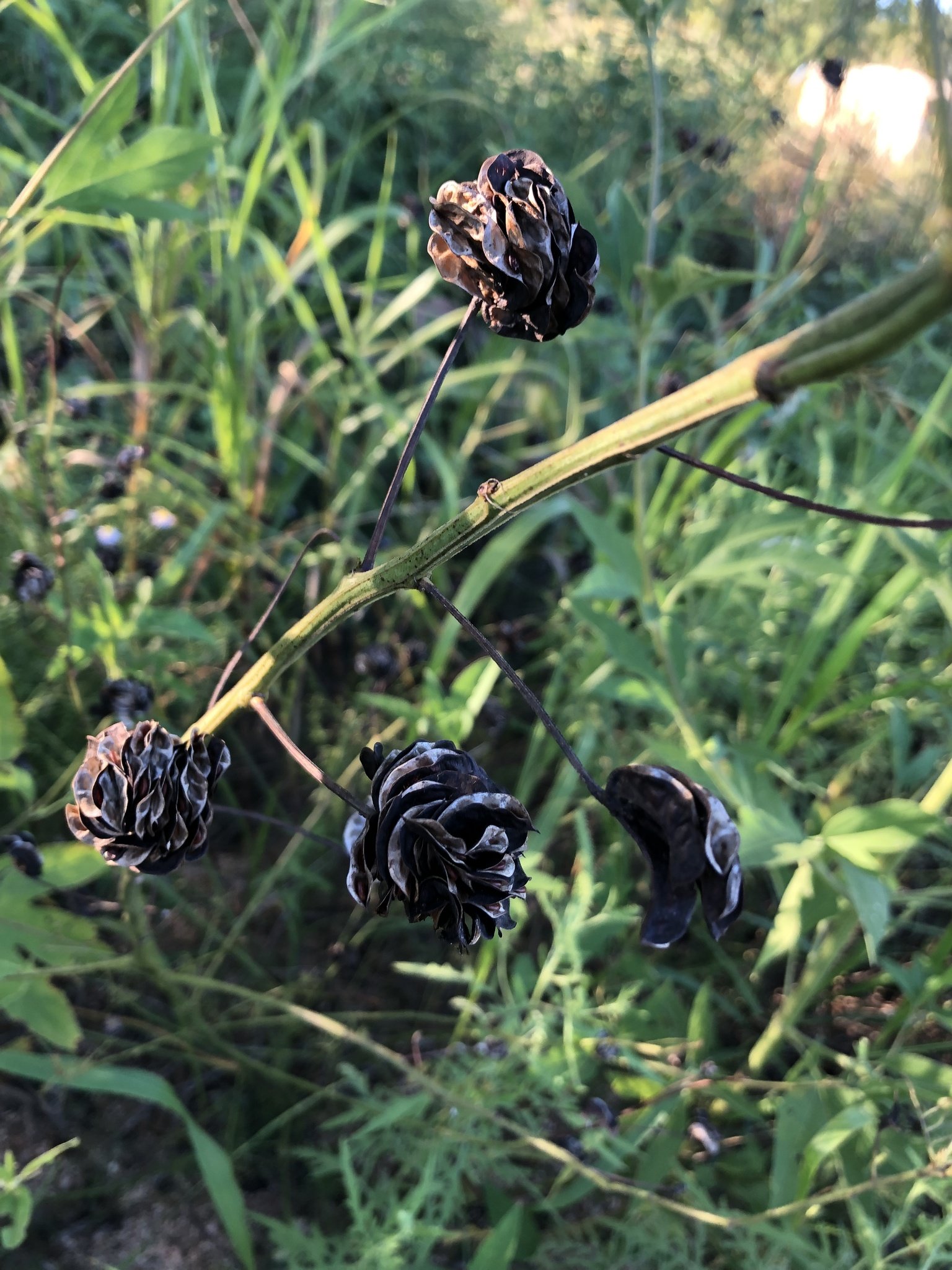
Illinois Bundleflower
Desmanthus illinoensis
About This Plant
Illinois bundleflower is a native legume with delicate, fern-like leaves and small white flowers.
Why It Matters
It improves soil through nitrogen fixation and provides forage for wildlife.
Where You’ll Find It at The Ditch
Thrives in sunny, open areas.
Fun Fact
Its leaves fold up at night or when touched.
Inland Sea Oats
Chasmanthium latifolium
About This Plant
Inland sea oats is a native grass with distinctive flat seed heads that dangle from arching stems.
Why It Matters
It provides habitat and food for wildlife, including birds that feed on its seeds.
Where You’ll Find It at The Ditch
Often found in shaded or semi-shaded areas.
Fun Fact
Its seed heads are often used in dried floral arrangements.
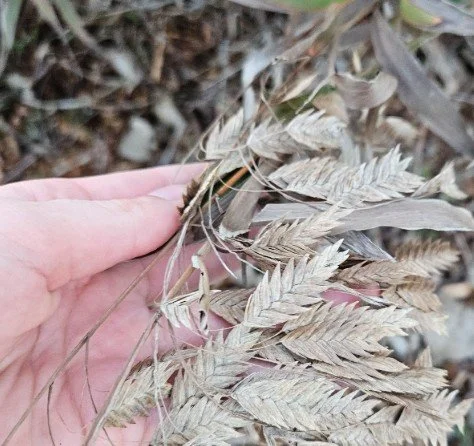
Knotroot Bristlegrass
Setaria parviflora
About This Plant
Knotroot bristlegrass is a native perennial grass that spreads by rhizomes and forms dense patches. It has bristly seed heads that resemble small bottlebrushes.
Why It Matters
It helps stabilize soil and provides forage and habitat for wildlife.
Where You’ll Find It at The Ditch
Common in open areas and along disturbed ground.
Fun Fact
It can tolerate both drought and periodic flooding.
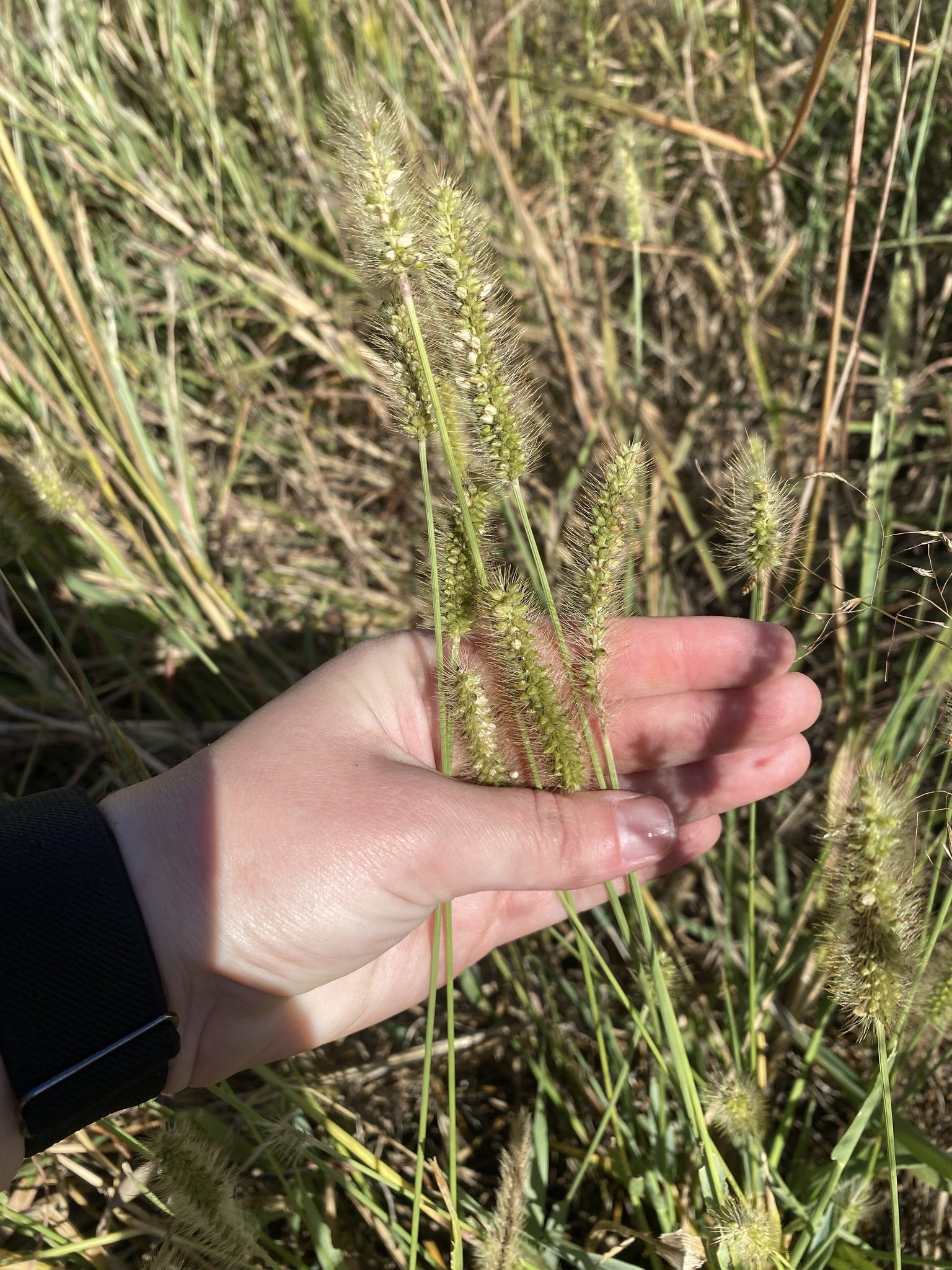
Lindheimer’s Doveweed
Murdannia lindheimeri
About This Plant
This native plant has slender leaves and small blue to purple flowers.
Why It Matters
It supports pollinators and thrives in a variety of conditions.
Where You’ll Find It at The Ditch
Often found in moist or partially shaded areas.
Fun Fact
It is named after Ferdinand Lindheimer, a noted Texas botanist.
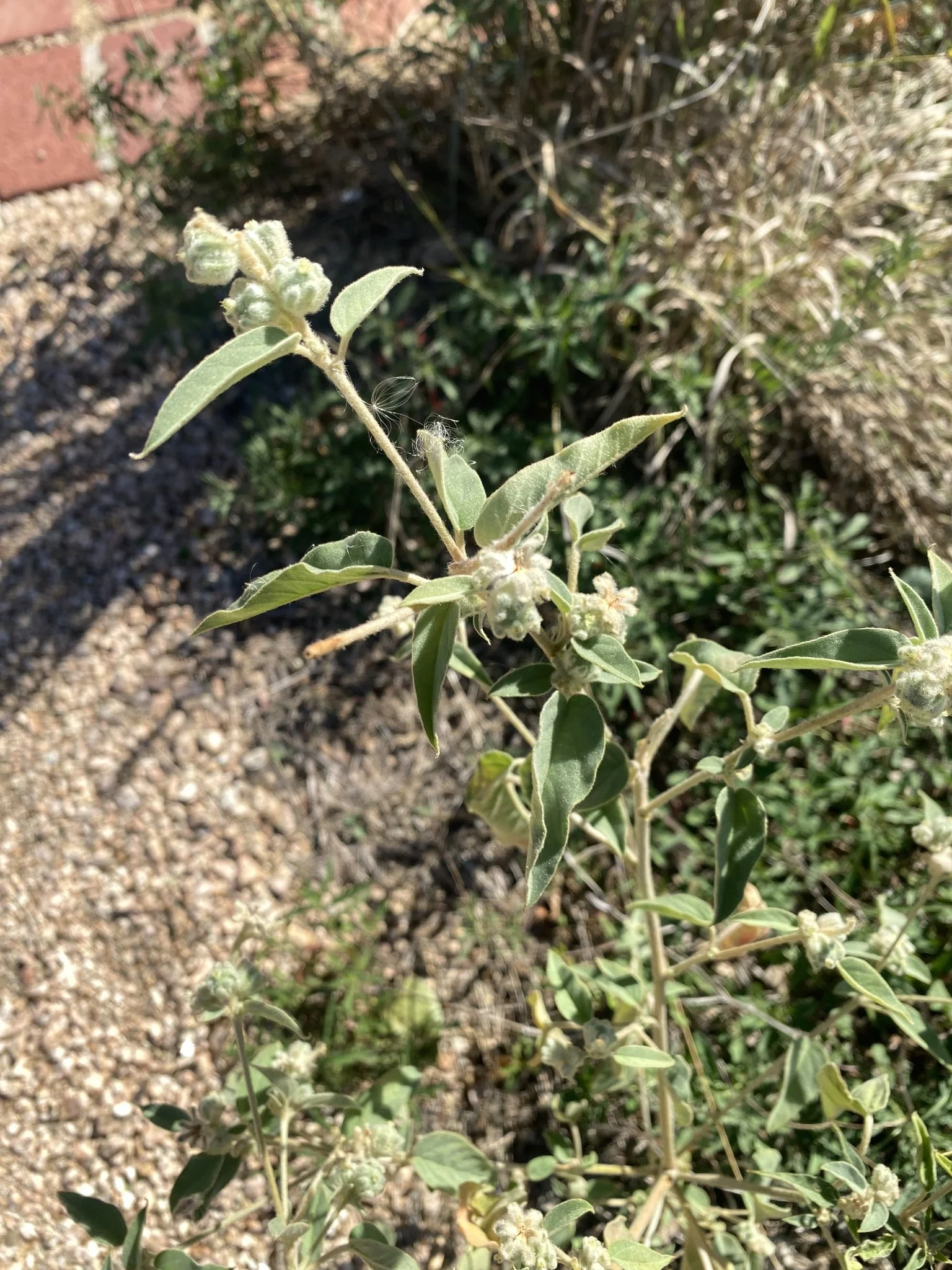
Little Bluestem
Schizachyrium scoparium
About This Plant
Little bluestem is a native bunchgrass with blue-green stems that turn reddish in fall.
Why It Matters
It provides habitat for insects and birds and is a key prairie species.
Where You’ll Find It at The Ditch
Grows in open, sunny grassland areas.
Fun Fact
It is one of the most important grasses in North American prairies.
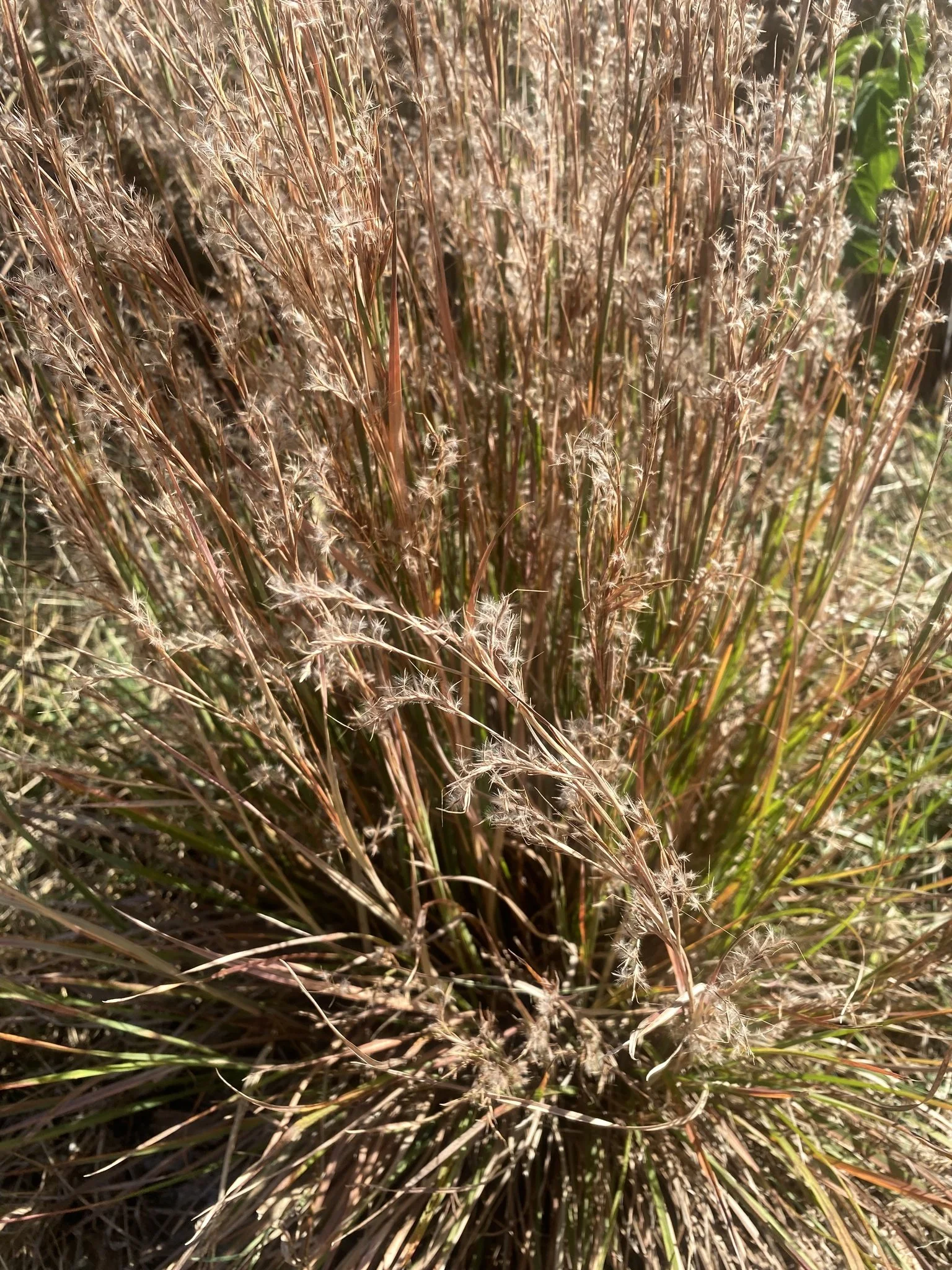
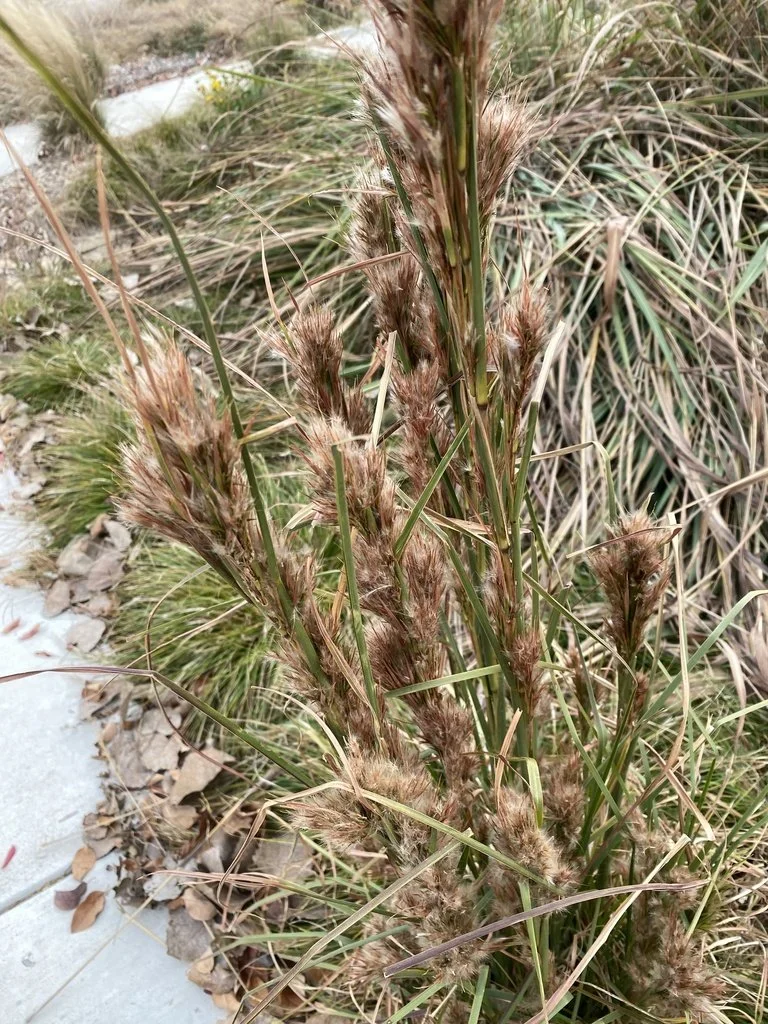
Maritime Bushy Bluestem
Andropogon glomeratus
About This Plant
This native grass forms tall clumps with fluffy, golden seed heads.
Why It Matters
It provides habitat and is especially suited to wetter environments.
Where You’ll Find It at The Ditch
Look for it in low or moist areas.
Fun Fact
Its seed heads can give fields a soft, golden appearance in fall.
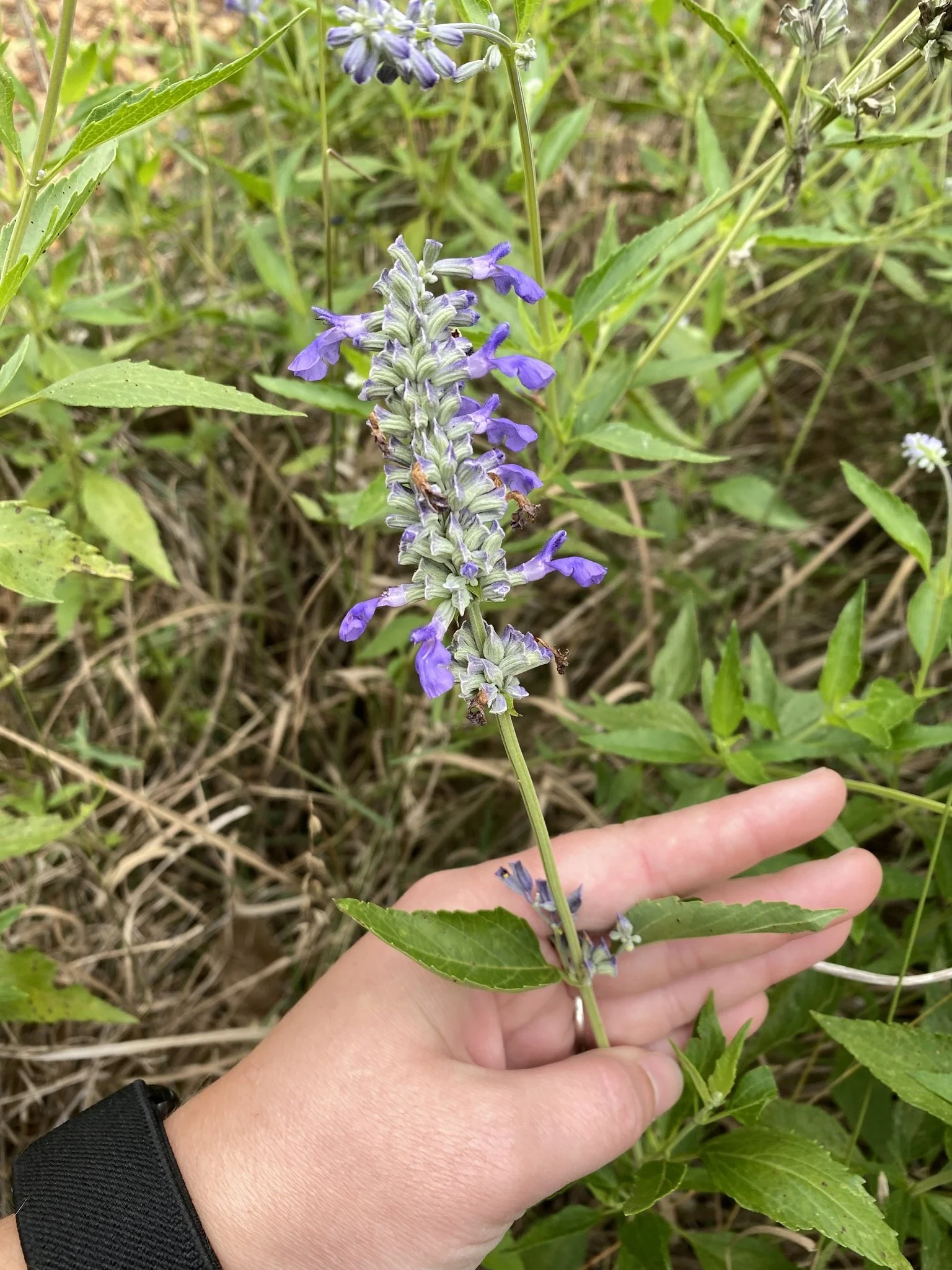
Mealy Blue Sage
Salvia farinacea
About This Plant
Mealy blue sage is a showy native perennial known for its spikes of bright blue flowers and silvery foliage.
Why It Matters
It is highly attractive to bees, butterflies, and other pollinators, making it a key species for pollinator support.
Where You’ll Find It at The Ditch
Grows in sunny, well-drained areas.
Fun Fact
The “mealy” name comes from the powdery white coating on its stems and flower spikes.
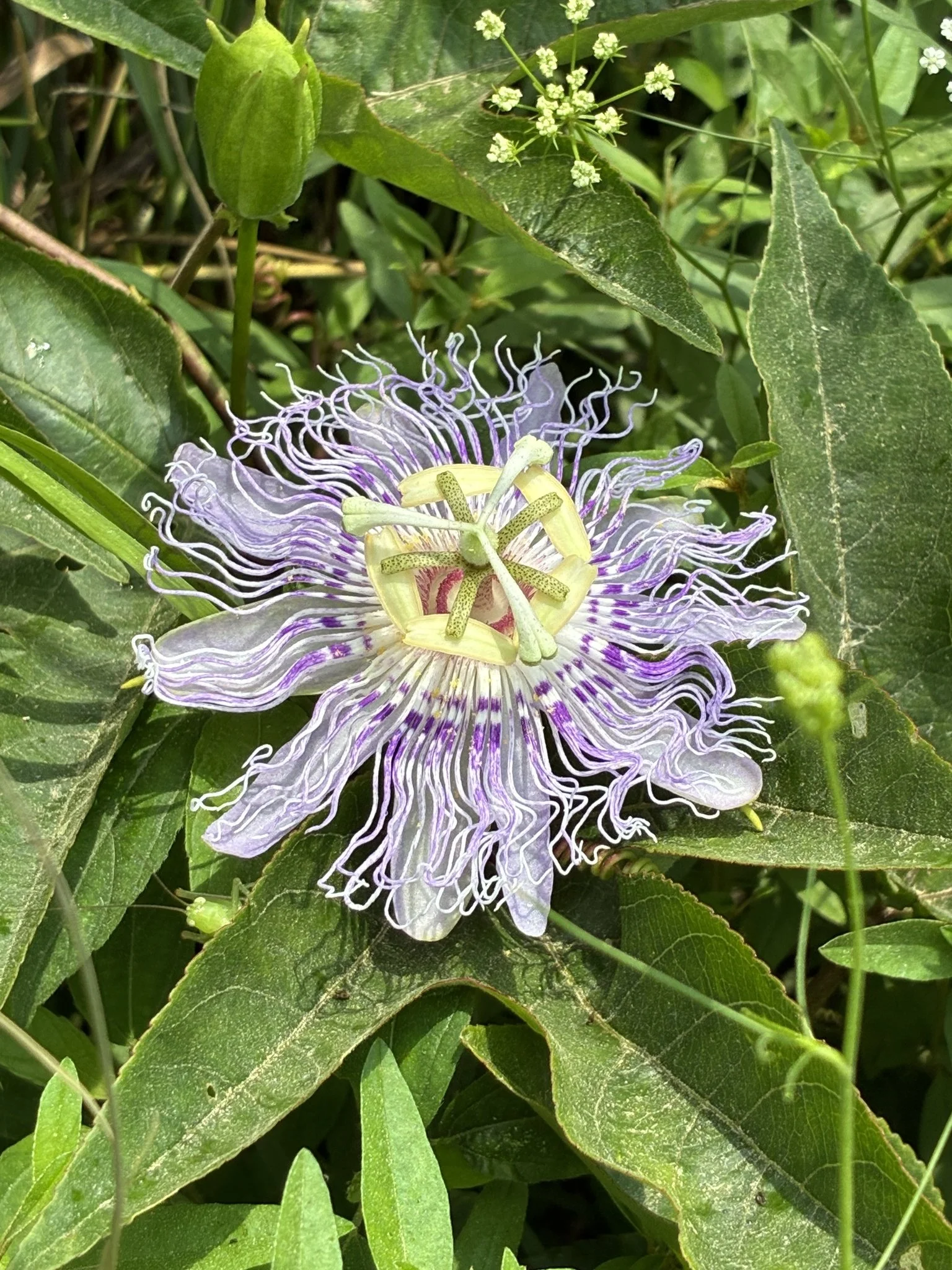
Purple Passionflower
Passiflora incarnata
About This Plant
Purple passionflower is a climbing vine with striking, intricate purple flowers.
Why It Matters
It is a host plant for several butterfly species, including gulf fritillaries.
Where You’ll Find It at The Ditch
Climbing along fences or spreading across open ground.
Fun Fact
It produces edible fruit known as maypop.
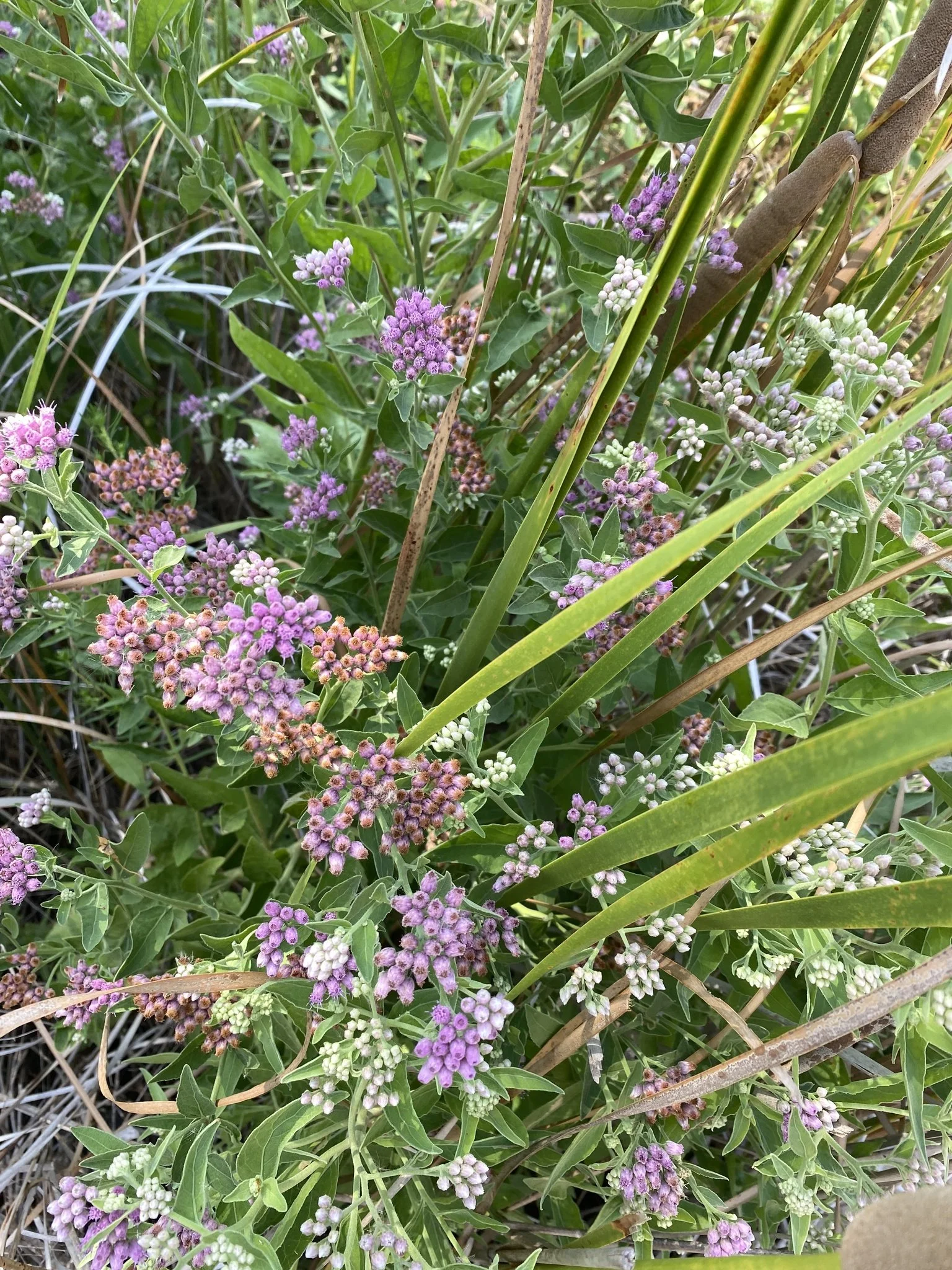
Salt Marsh Fleabane
Pluchea odorata
About This Plant
Salt marsh fleabane is a native perennial that thrives in moist soils and disturbed areas. It produces clusters of soft pink to purple flowers and has a noticeable, somewhat aromatic scent.
Why It Matters
This plant provides nectar for a variety of pollinators, including bees and butterflies, especially in wetter habitats.
Where You’ll Find It at The Ditch
Look for it in low-lying or seasonally wet areas.
Fun Fact
Historically, plants in the fleabane group were believed to repel fleas when dried and hung indoors.
Sideoats Grama
Bouteloua curtipendula
About This Plant
Sideoats grama is a native grass with seeds that hang in rows along one side of the stem.
Why It Matters
It is excellent for erosion control and provides food for wildlife.
Where You’ll Find It at The Ditch
Thrives in sunny, well-drained soils.
Fun Fact
It is the state grass of Texas.
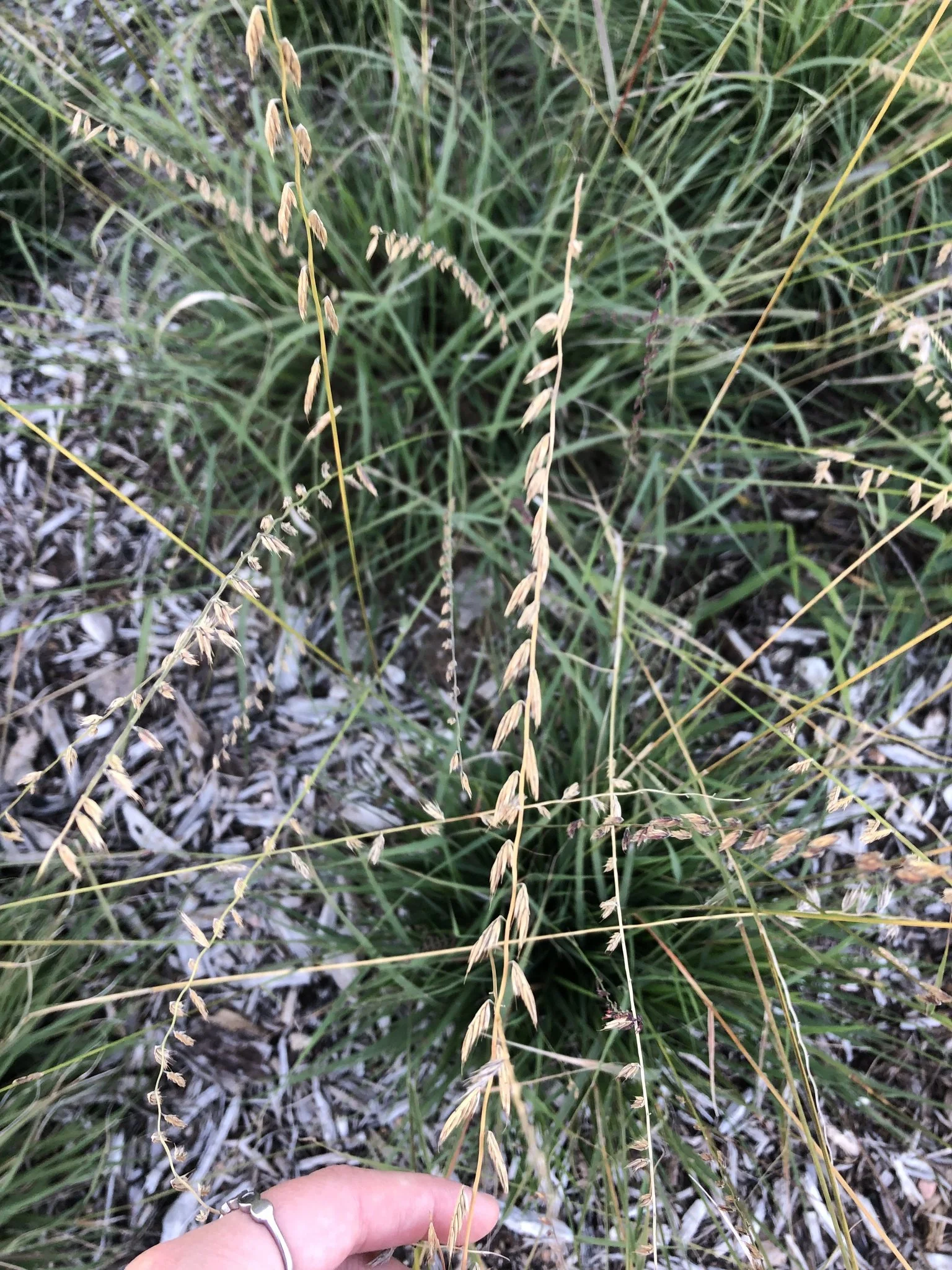
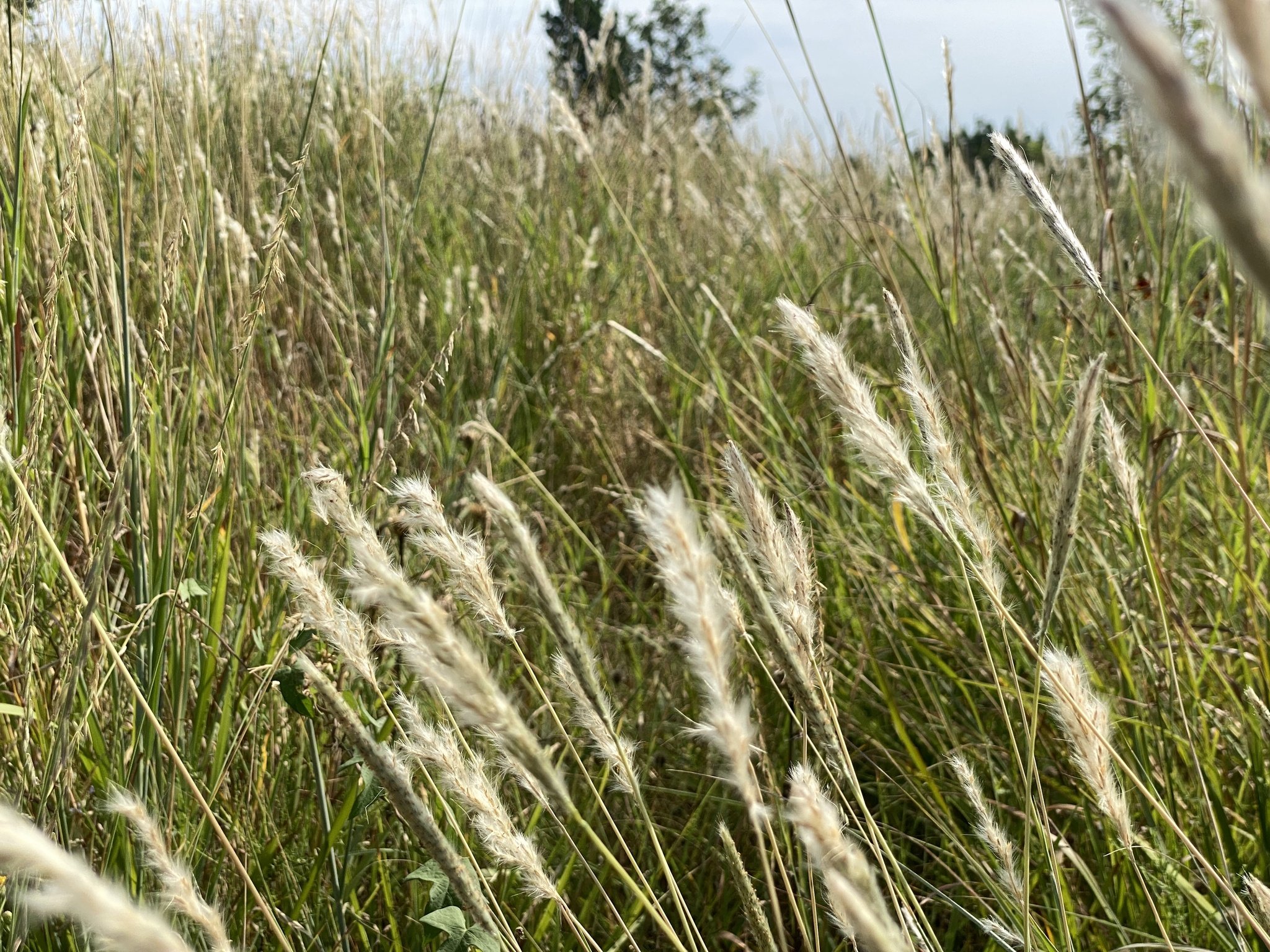
Silver Blustem
Bothriochloa laguroides
About This Plant
Silver bluestem is a native grass with silvery seed heads that give it a soft, shimmering look.
Why It Matters
It helps stabilize soil and provides forage for wildlife.
Where You’ll Find It at The Ditch
Common in dry, open areas.
Fun Fact
Its seed heads catch the light, making it easy to spot in the field.
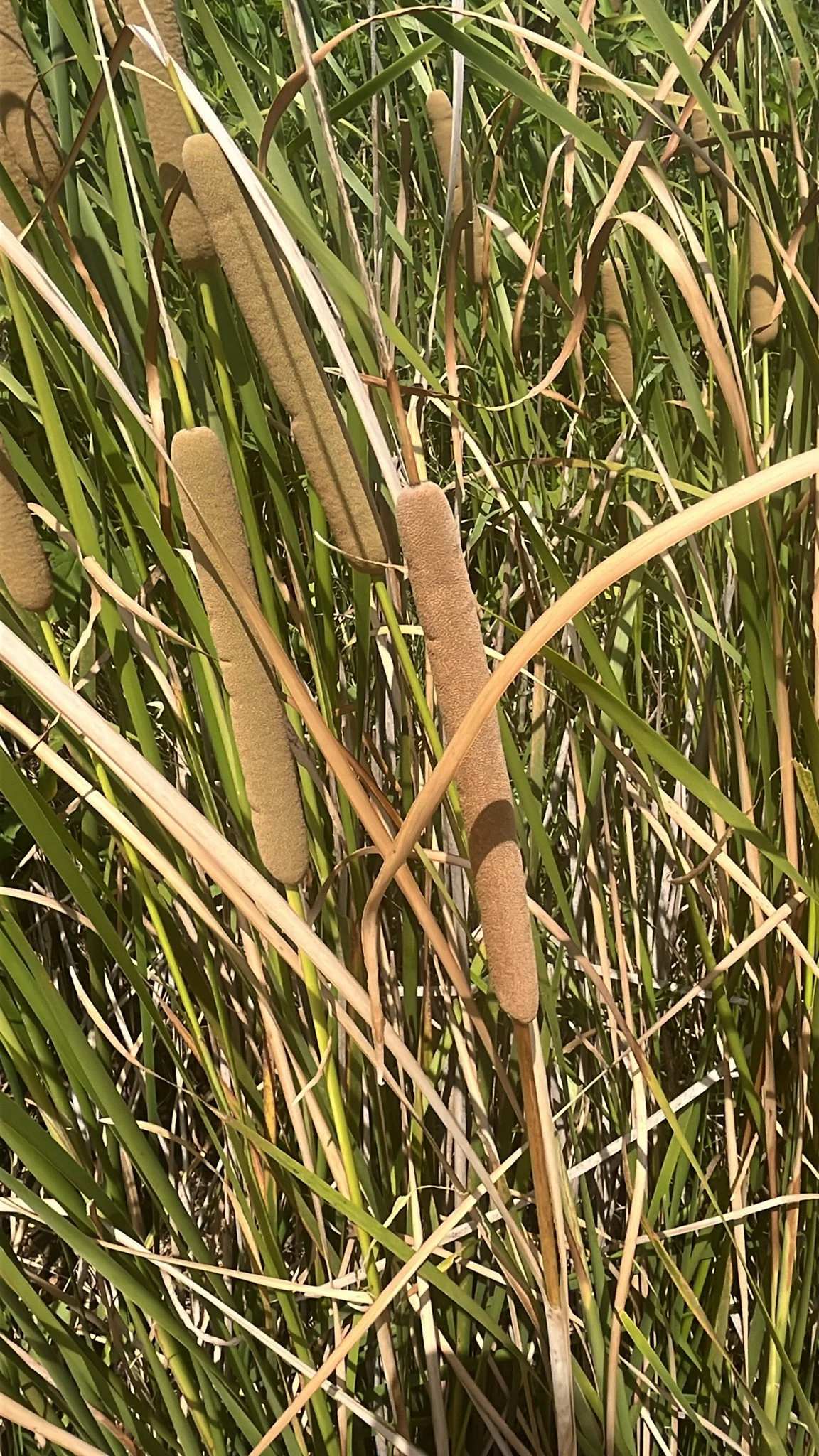
Southern Cattail
Typha domingensis
About This Plant
Southern cattail is a tall, grass-like aquatic plant commonly found in wetlands and along shorelines. It has long, flat leaves and distinctive brown, cigar-shaped flower spikes.
Why It Matters
It provides important habitat for birds, insects, and aquatic life while also helping filter water and stabilize soil in wetland areas.
Where You’ll Find It at The Ditch
Look for it in standing water or along the edges of ponds and drainage areas.
Fun Fact
Some call cattails “hot-dogs-on-a-stick” due to their hot dog like appearence.
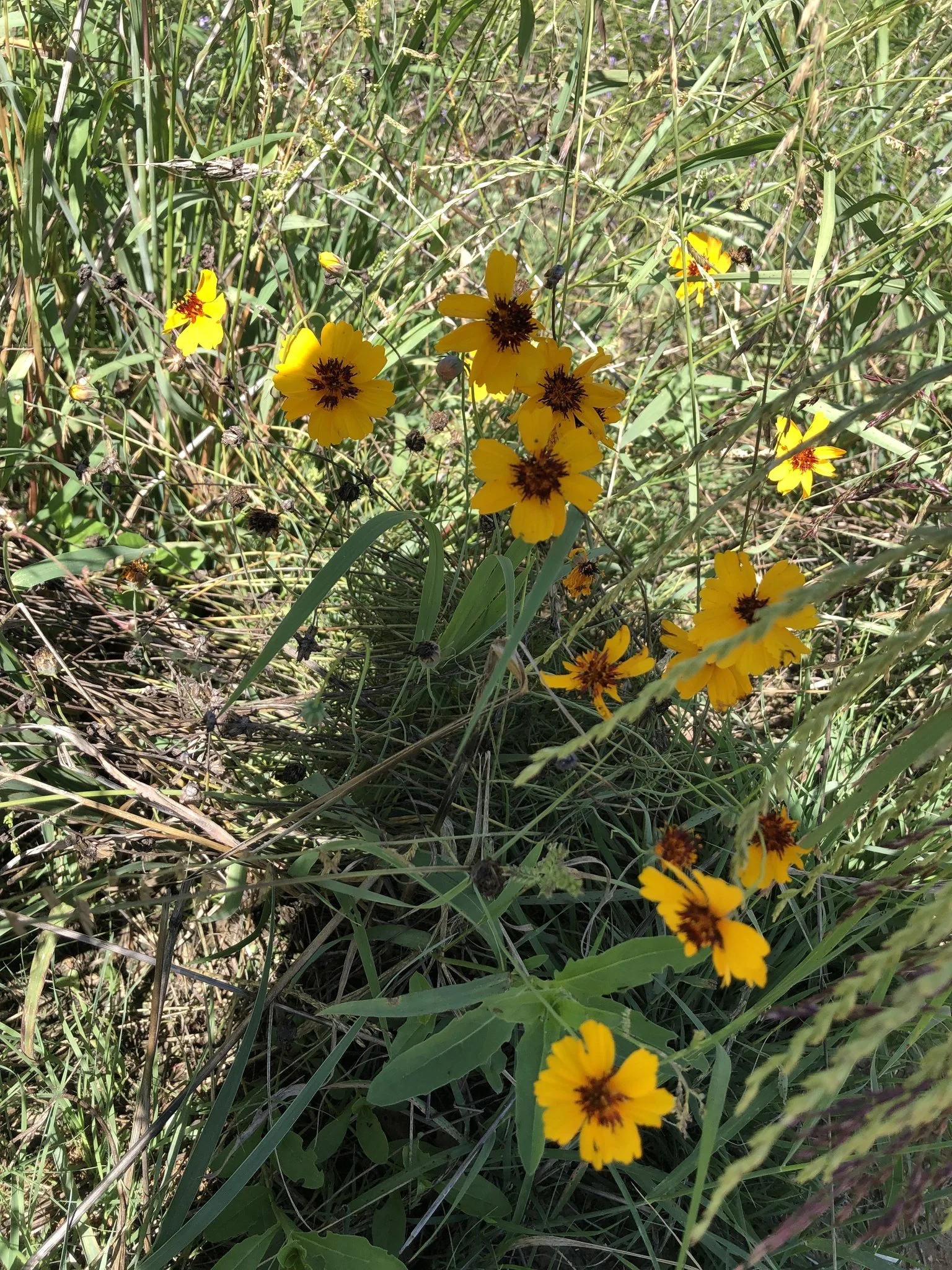
Stiff Greenthread
Thelesperma filifolium
About This Plant
Stiff greenthread is a native wildflower with finely divided leaves and bright yellow flowers.
Why It Matters
It supports pollinators and is well adapted to dry conditions.
Where You’ll Find It at The Ditch
Found in sunny, well-drained soils.
Fun Fact
It has been used to make a traditional herbal tea.
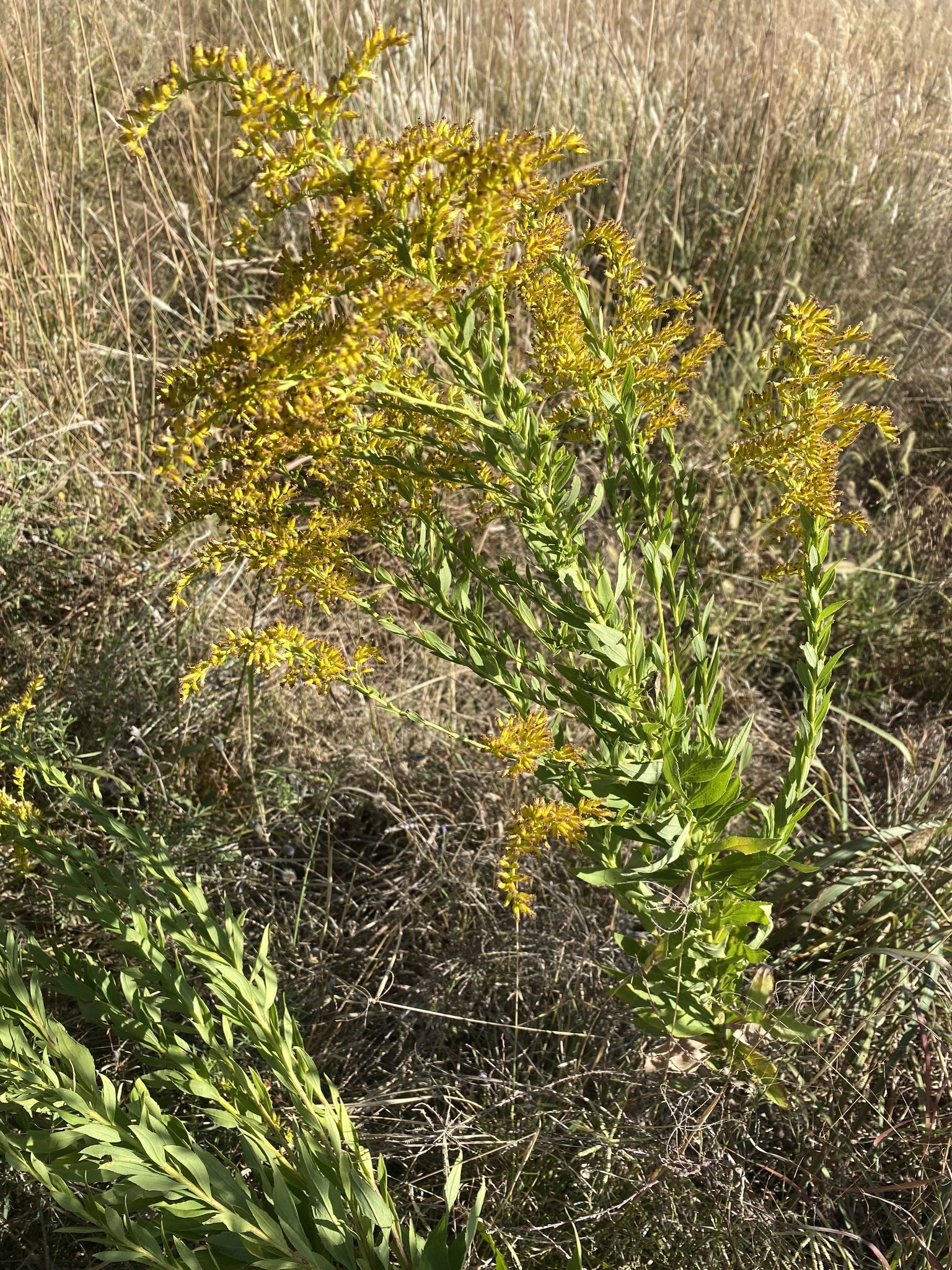
Tall Goldenrod
Solidago altissima
About This Plant
Tall goldenrod is a native perennial with bright yellow flower plumes.
Why It Matters
It is an important late-season food source for pollinators.
Where You’ll Find It at The Ditch
Common in open areas and along edges.
Fun Fact
Goldenrod is often mistaken for causing allergies, but it is actually pollinated by insects, not wind.
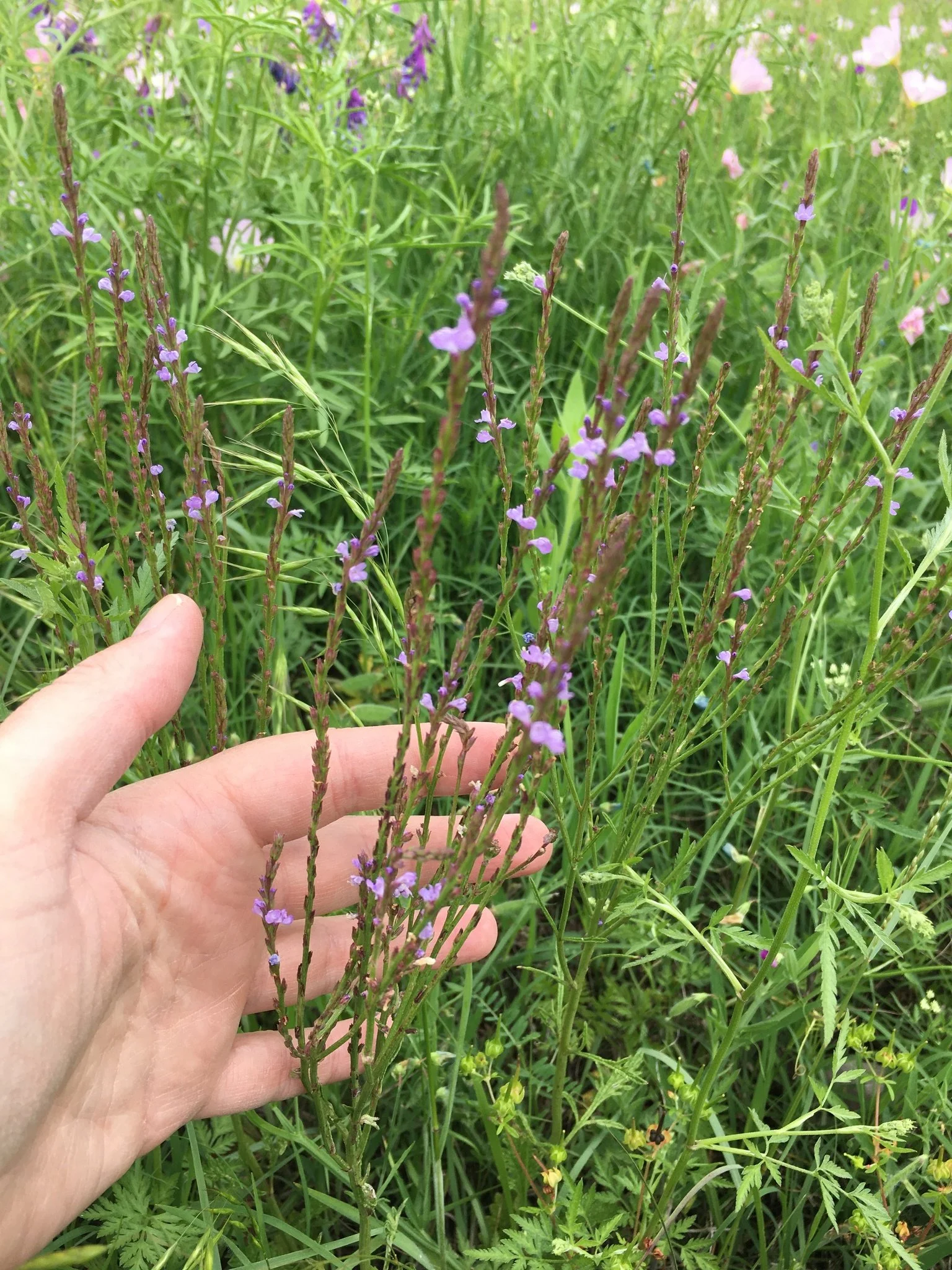
Texas Vervain
Verbena halei
About This Plant
Texas vervain is a native wildflower with tall spikes of purple flowers.
Why It Matters
It attracts butterflies and other pollinators.
Where You’ll Find It at The Ditch
Grows in sunny areas with well-drained soil.
Fun Fact
It blooms over a long season, providing extended nectar resources.
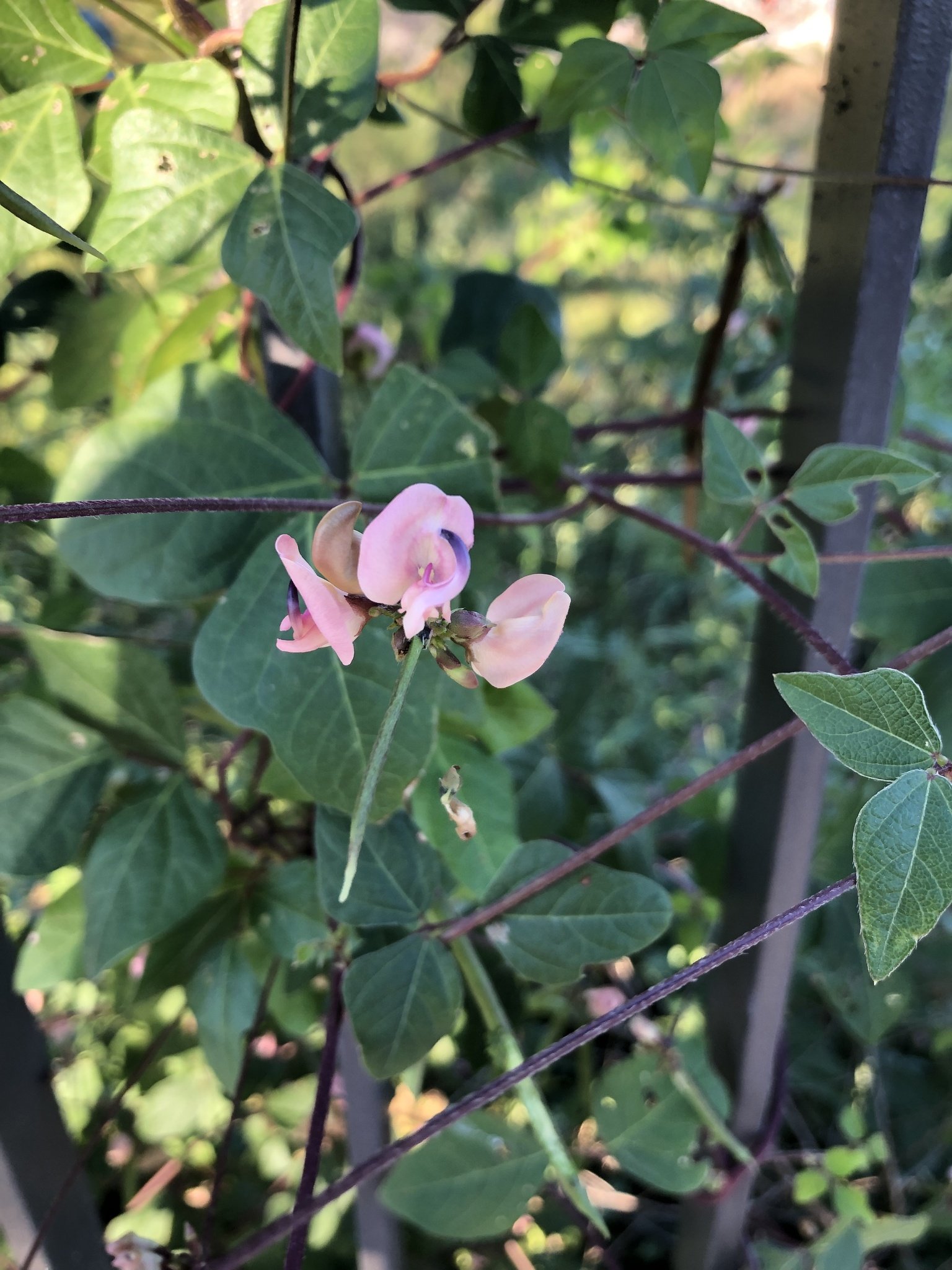
Trailing Fuzzybean
Strophostyles helvula
About This Plant
Trailing fuzzybean is a low-growing native legume with sprawling stems and small purple flowers. It often forms mats along the ground in sandy or disturbed soils.
Why It Matters
As a legume, it helps improve soil health by fixing nitrogen and provides food for pollinators.
Where You’ll Find It at The Ditch
Found in open, sunny areas with loose or sandy soil.
Fun Fact
Its seeds are contained in small pods similar to other beans, though they are not commonly used for food.
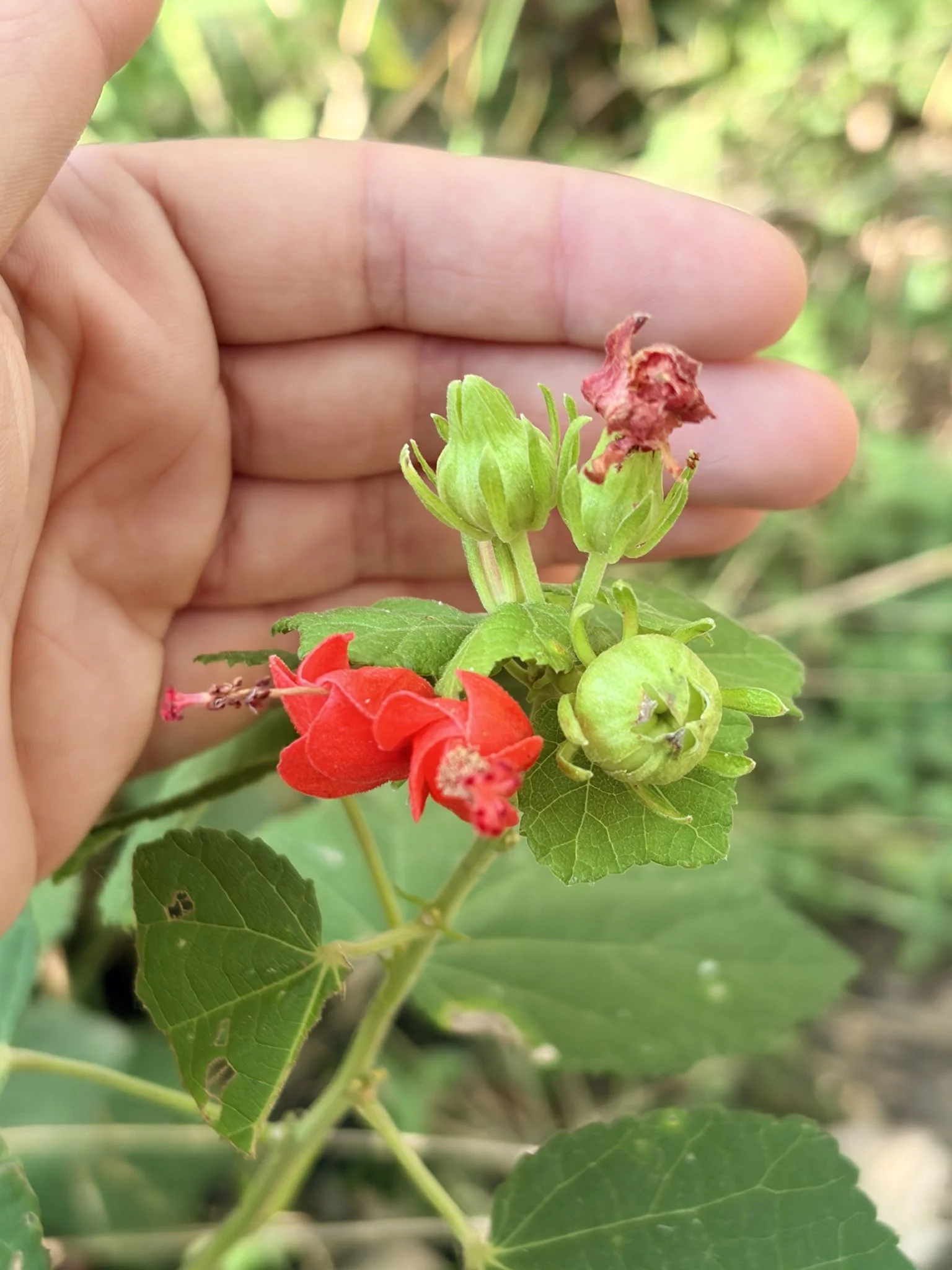
Turk’s Cap
Malvaviscus arboreus var. drummondii
About This Plant
Turk’s cap is a native shrub with bright red, closed flowers that never fully open.
Why It Matters
It is highly attractive to hummingbirds and provides fruit for wildlife.
Where You’ll Find It at The Ditch
Typically found in partially shaded areas.
Fun Fact
Its flowers resemble a small turban, which inspired its common name.
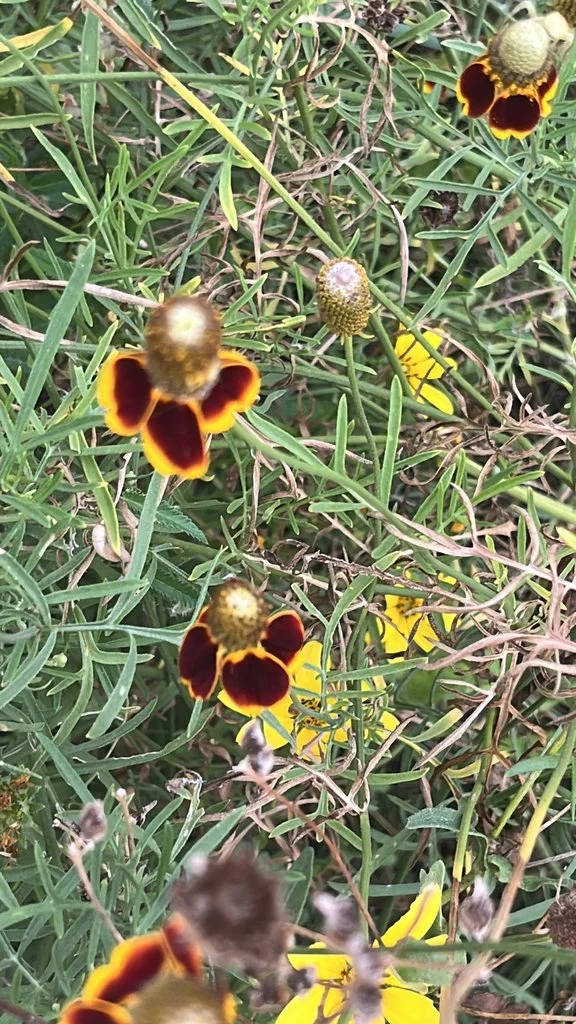
Upright Prairie Coneflower
Ratibida columnifera
About This Plant
This native wildflower has drooping yellow petals surrounding a tall central cone.
Why It Matters
It attracts pollinators and produces seeds that birds feed on.
Where You’ll Find It at The Ditch
Grows in sunny, open prairie areas.
Fun Fact
It is sometimes called “Mexican hat” due to its shape.
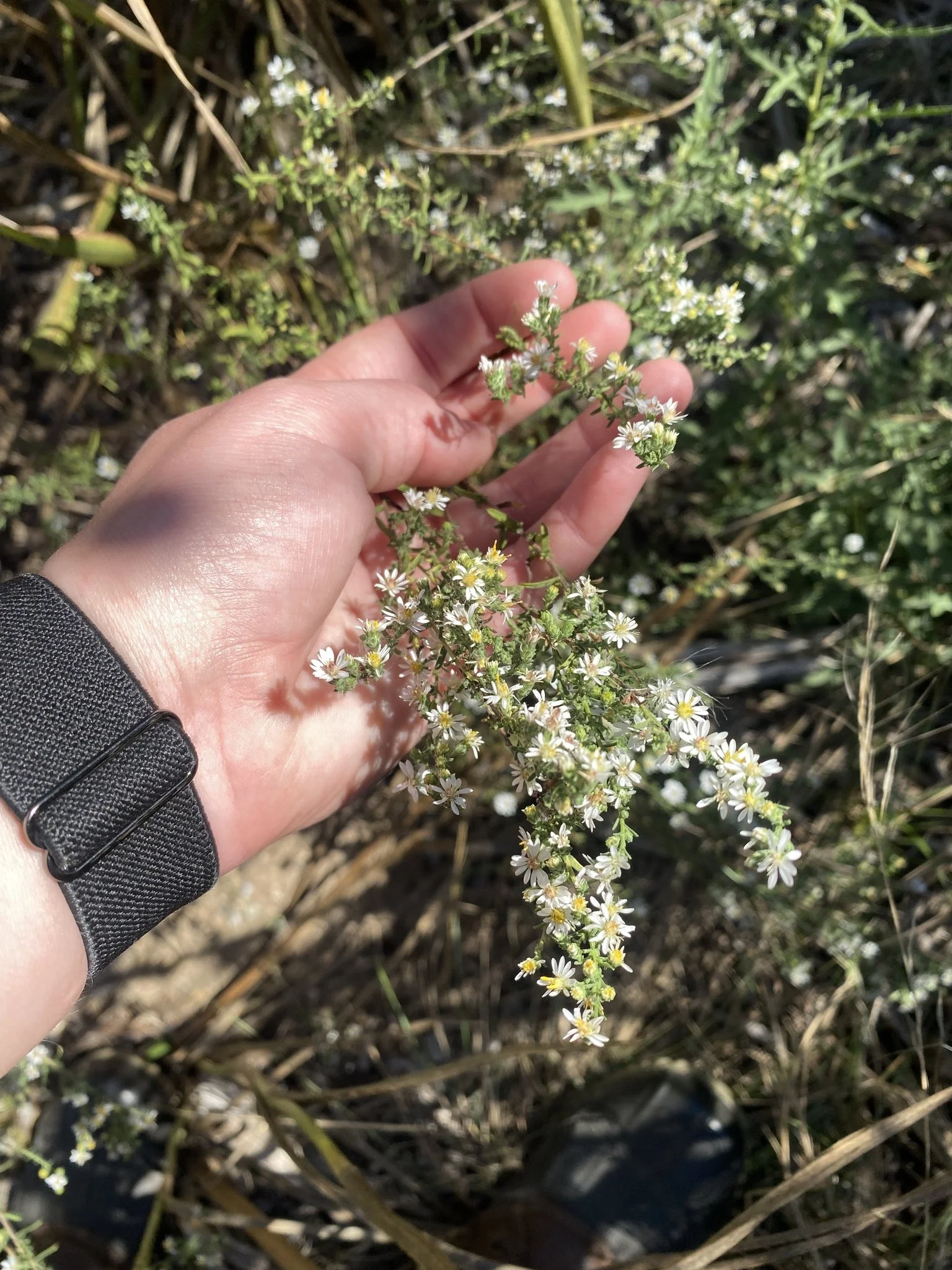
White Heath Aster
Symphyotrichum ericoides
About This Plant
This native plant produces many small white flowers on branching stems.
Why It Matters
It provides late-season nectar for pollinators.
Where You’ll Find It at The Ditch
Found in open, sunny areas.
Fun Fact
It can create a cloud-like appearance when in full bloom.
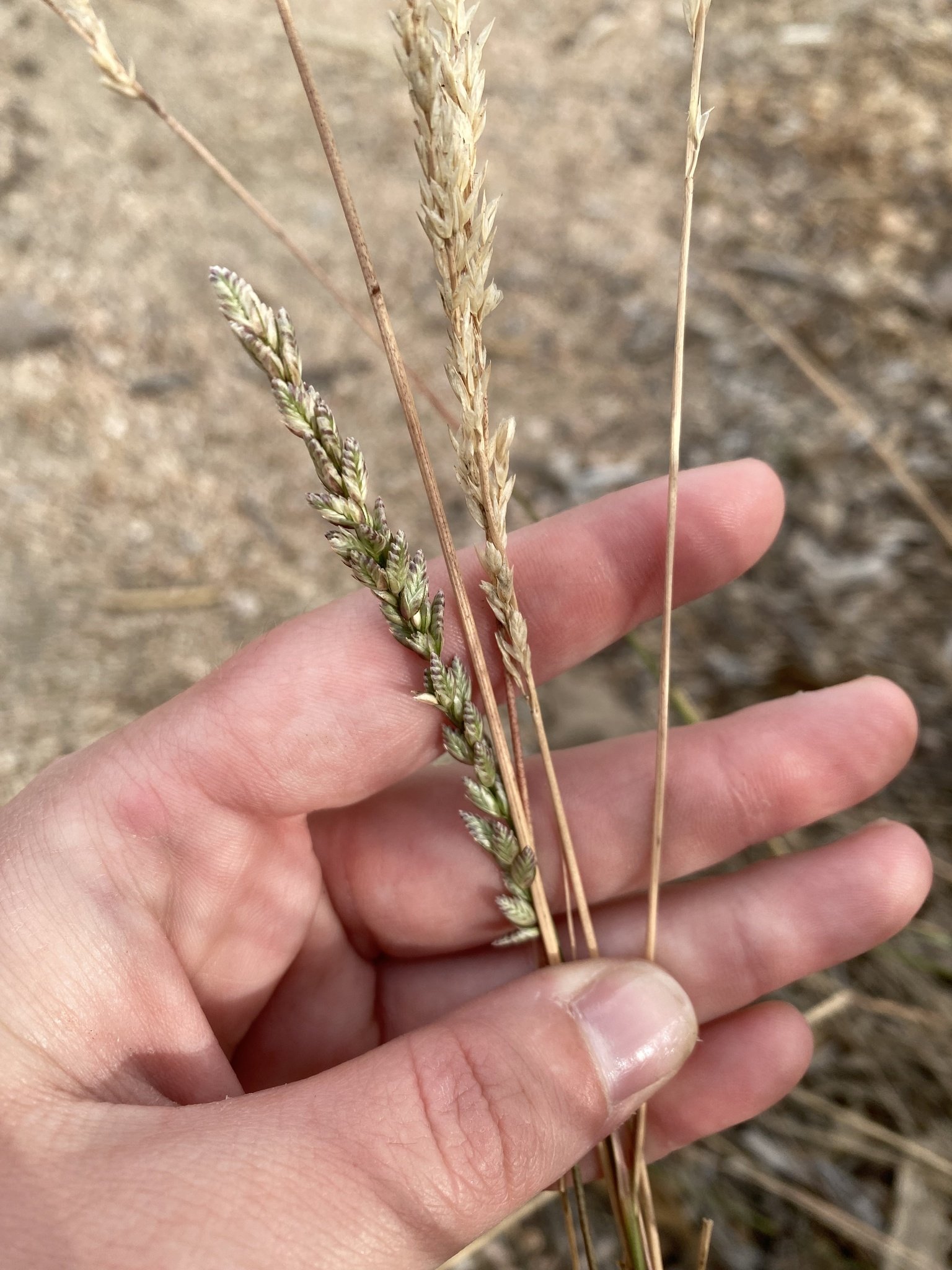
White Tridens
Tridens albescens
About This Plant
White tridens is a native grass with airy seed heads and a delicate appearance.
Why It Matters
It contributes to prairie diversity and provides forage for wildlife.
Where You’ll Find It at The Ditch
Grows in open grassland areas.
Fun Fact
Its light seed heads move easily in the wind.
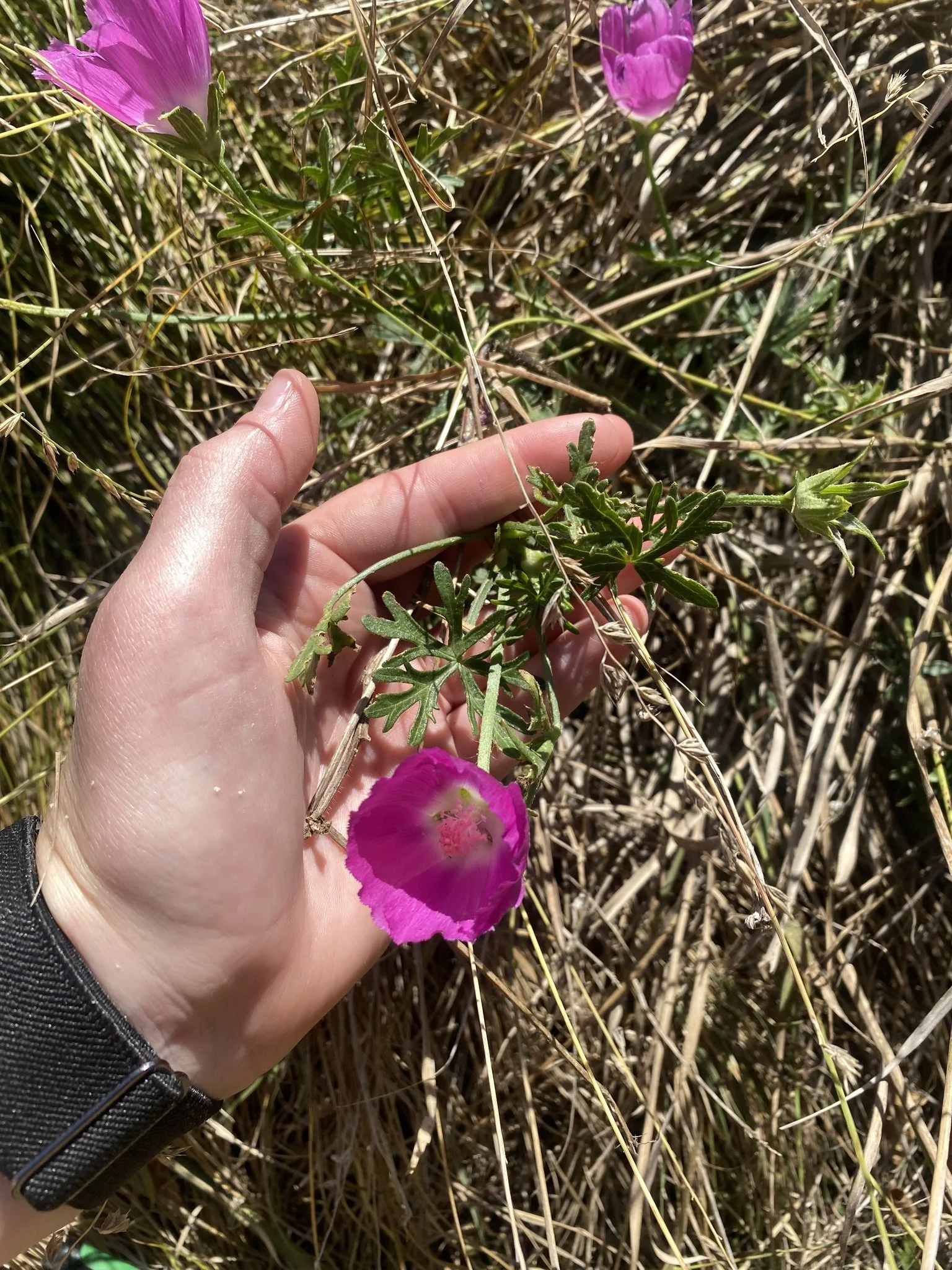
Winecup Mallow
Callirhoe involucrata
About This Plant
Winecup is a low-growing perennial with deep magenta, cup-shaped flowers.
Why It Matters
It provides nectar for pollinators and works well as a groundcover.
Where You’ll Find It at The Ditch
Found in sunny, well-drained areas.
Fun Fact
Its flowers open in the morning and may close by afternoon in hot weather.
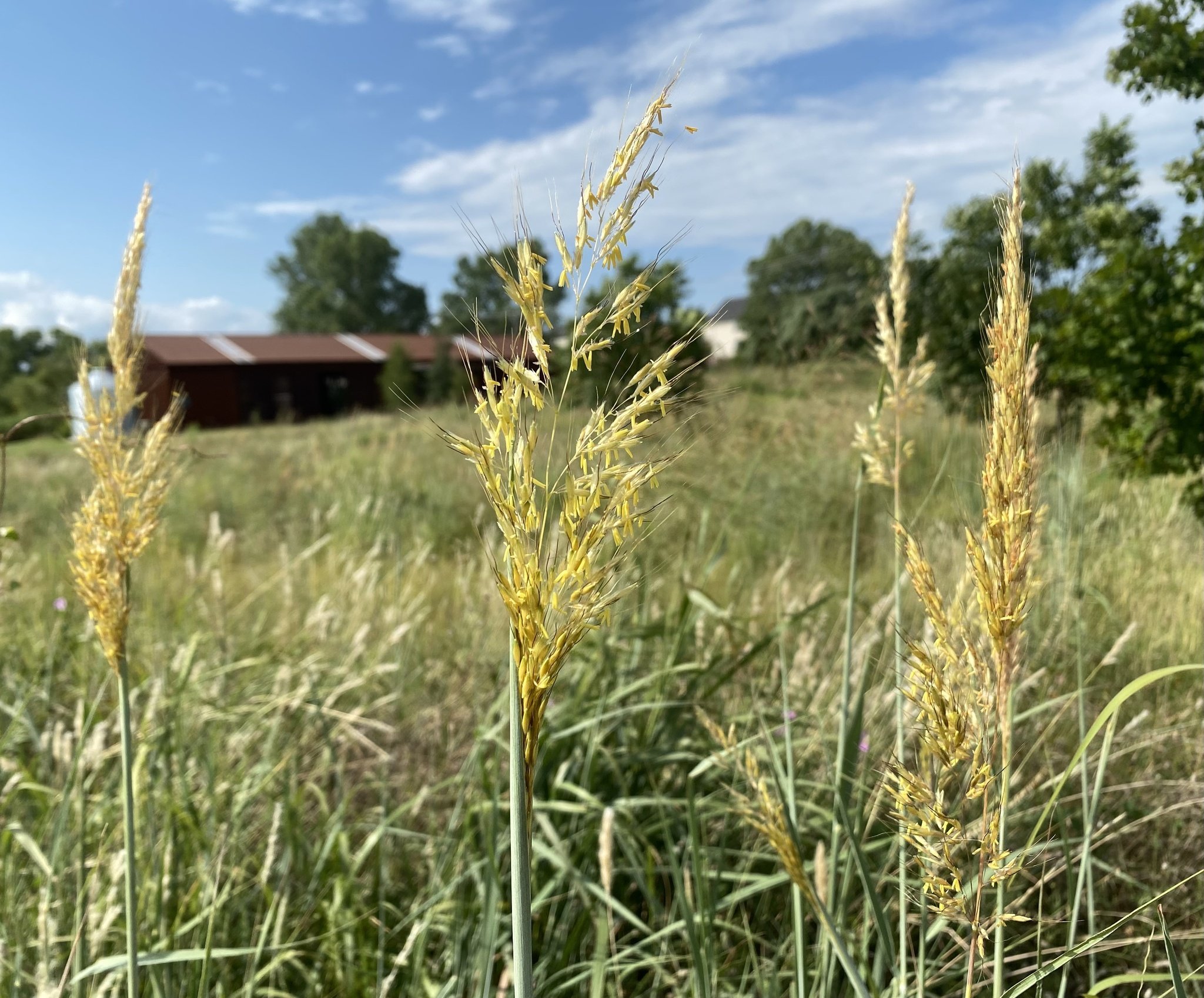
Yellow Indiangrass
Sorghastrum nutans
About This Plant
Yellow indiangrass is a tall native grass with golden seed heads that appear in late summer.
Why It Matters
It is a key prairie species that provides habitat and food for wildlife.
Where You’ll Find It at The Ditch
Grows in open prairie areas.
Fun Fact
It is one of the dominant grasses of the tallgrass prairie.
Check Out Our iNaturalist Project for the Full Species List!


See an error or have a question? Reach out to us at education@exploretheditch.org